
Toy Library Makes Learning Fun
The Power of Play
The Toy Lending Library of South Dakota invites families to play together, creating memories while learning skills to prepare for kindergarten. Sorting, counting and playing - all in the name of fun.
When you think of a library, you think about borrowing books.
But at the Toy Lending Library of South Dakota, what families borrow is playtime.
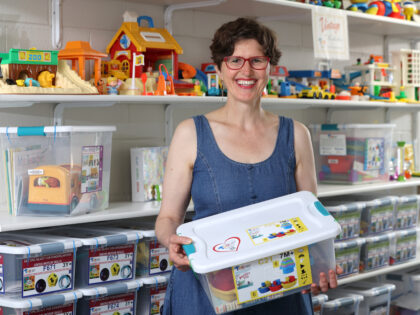
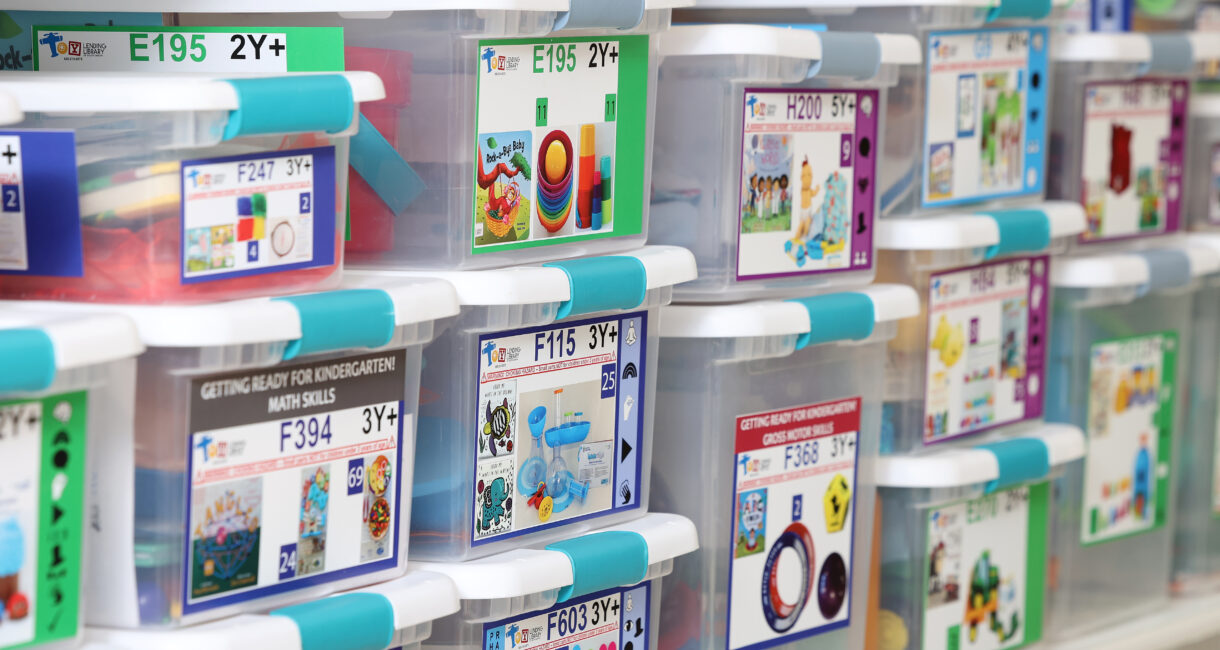
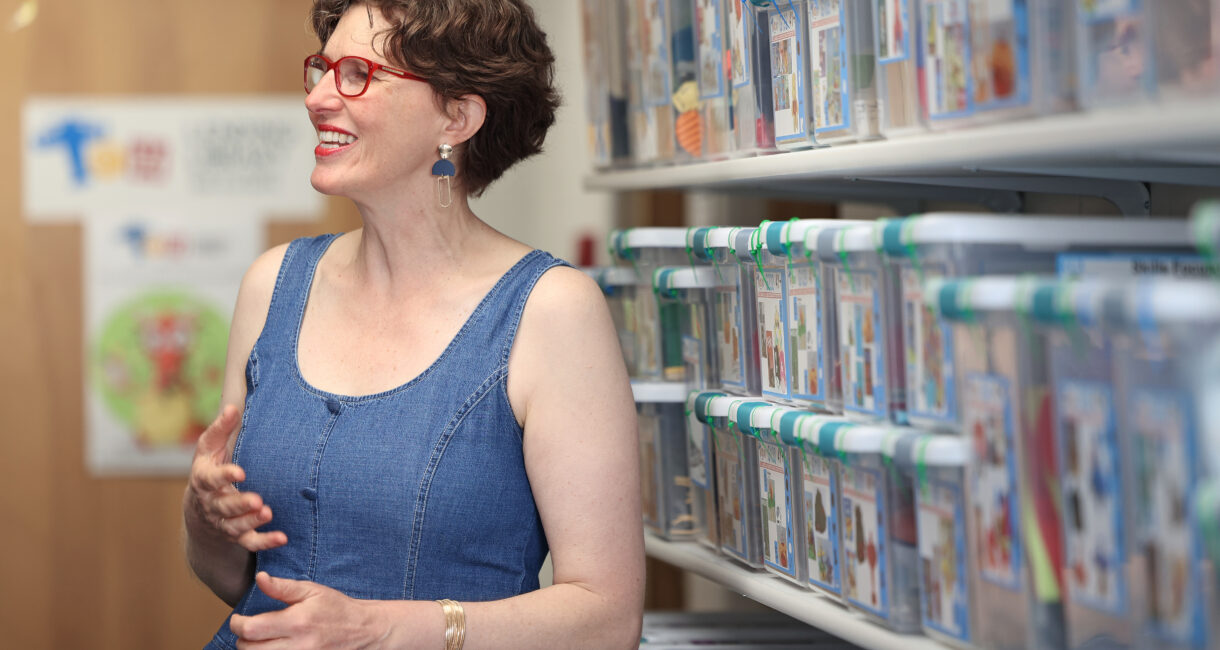
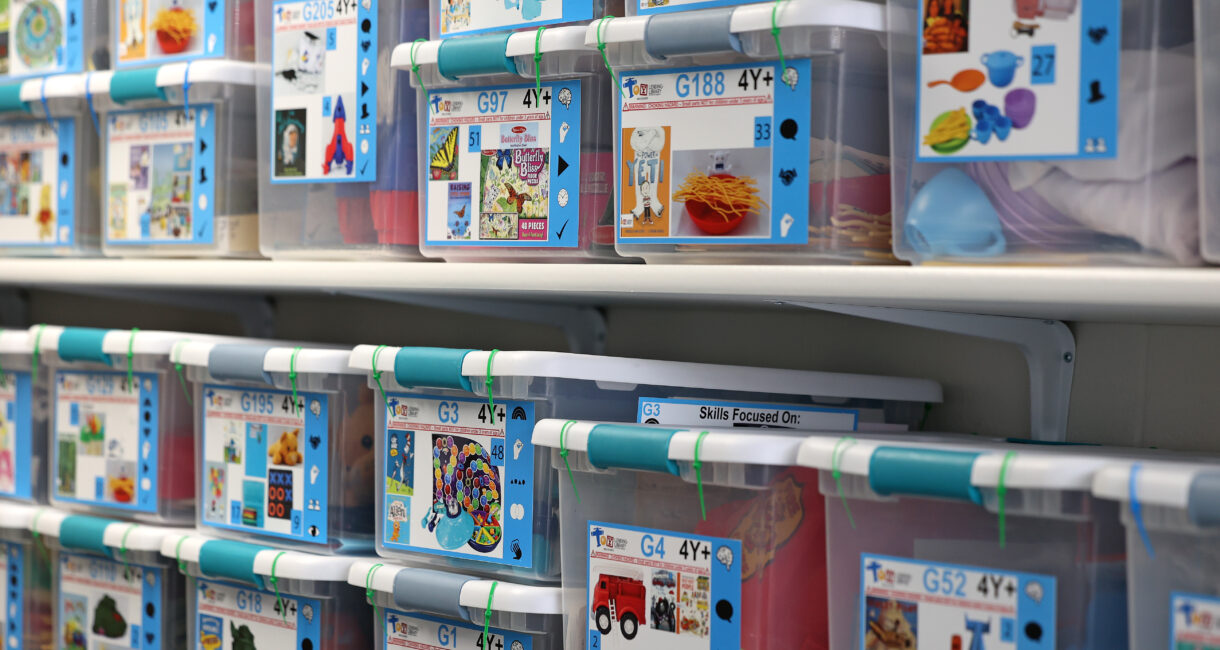
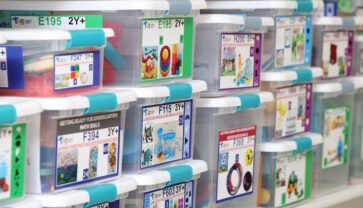
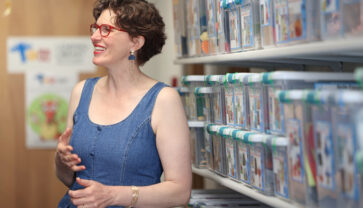
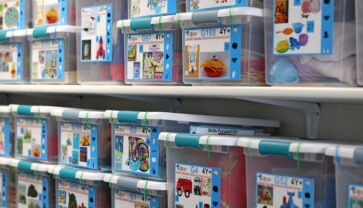
The library, housed in part of a church in central Sioux Falls, is lined with shelves of clear plastic boxes filled with brightly colored toys, labeled by developmental age and skill.
Another shelf houses classic toys – think Fisher-Price Little People and a silly rotary phone on wheels. It’s a reminder that playing is a healthy, wonderful part of childhood.
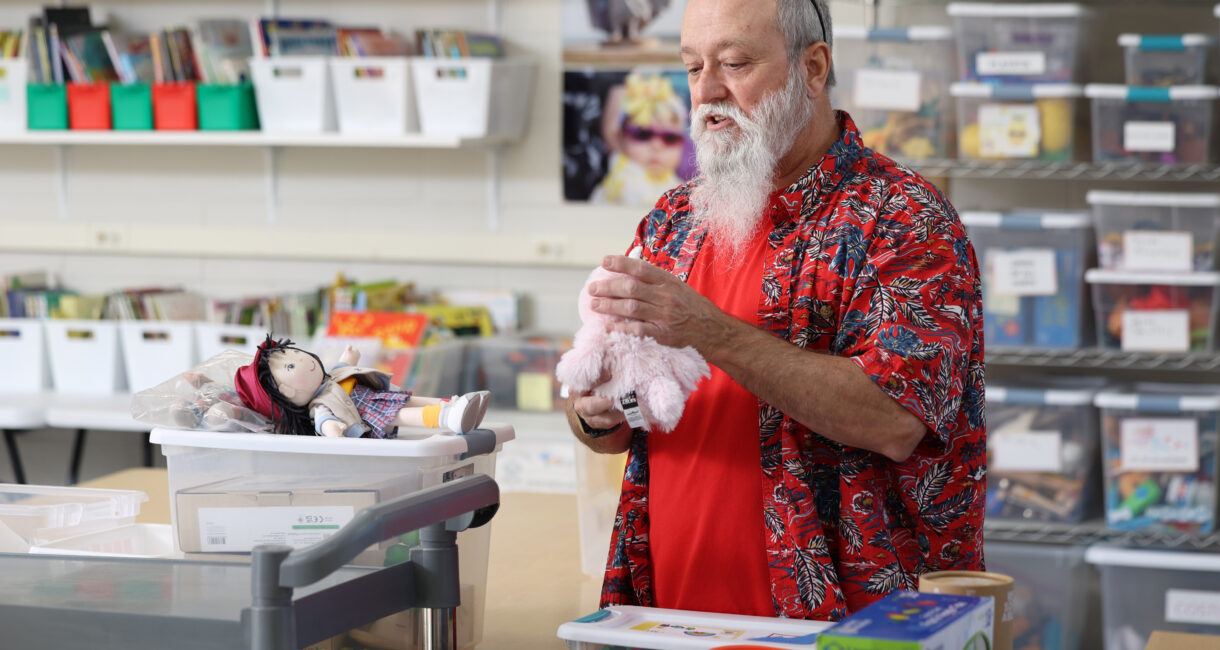
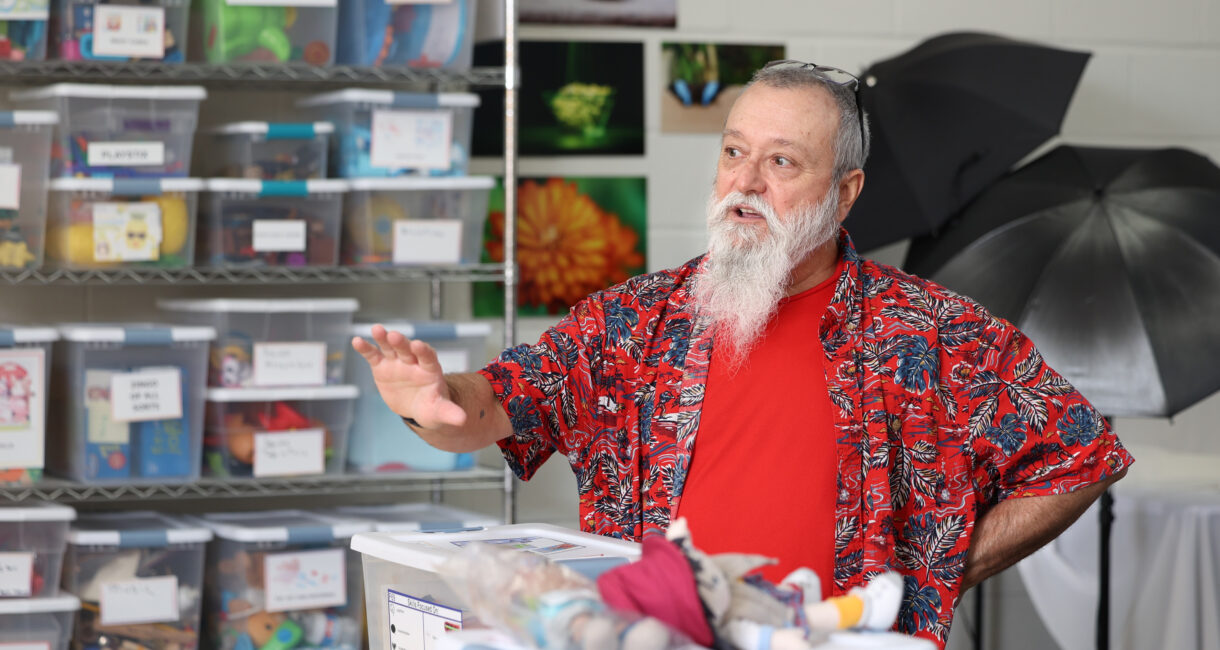
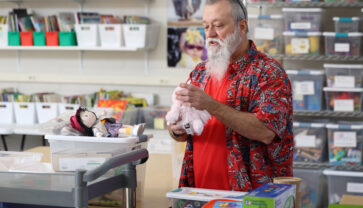
In a side room, there’s a definite Santa’s workshop feeling – where employees and volunteers clean and repair toys to get them ready to put back on the shelf for another child to enjoy.
The Toy Lending Library of South Dakota began 11 years ago after founder and executive director Anelis Coscioni learned many families couldn’t afford toys for their children. “Your biggest learning development is before you go to school,” Coscioni said. “You need to learn a lot of skills to be ready for school.”
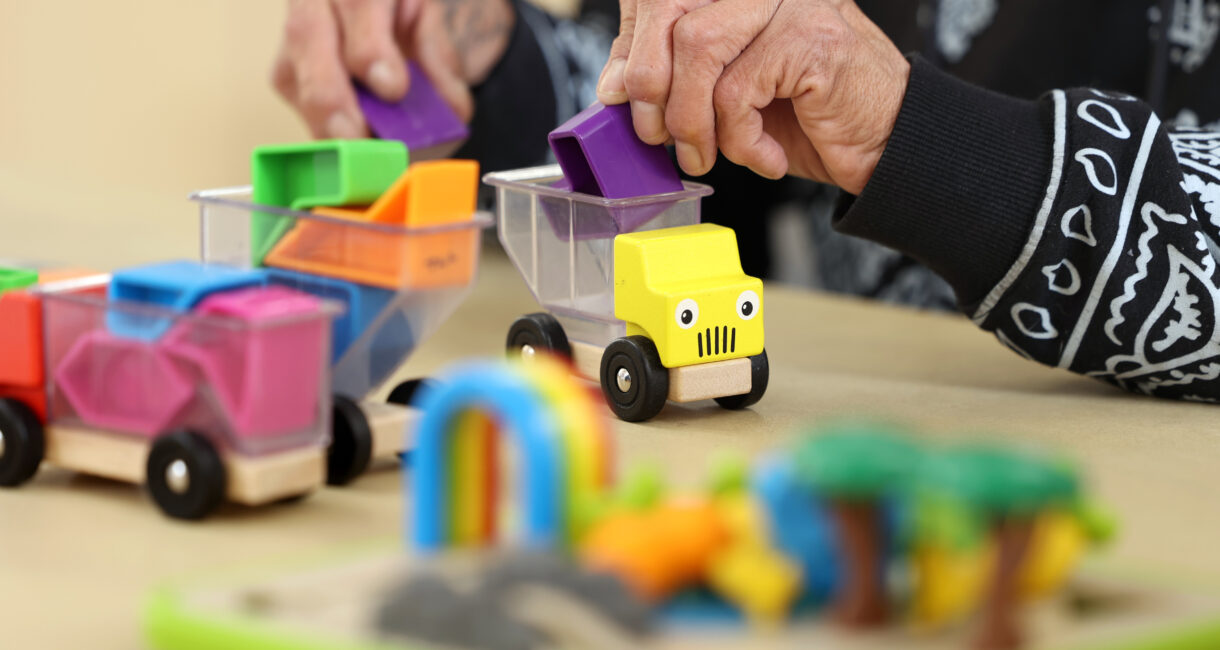
Toys can help teach those skills.
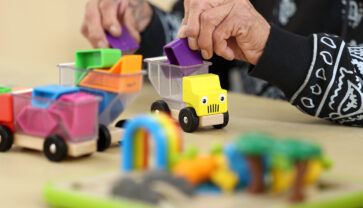
Sorting, counting, playing.
It all adds up.
It’s not the only way to learn – Coscioni grew up poor and relied on sticks and rocks to learn fine motor skills and played outside to improve her gross motor. But not every child has even that opportunity – and many spend more time looking at a screen than digging in the dirt.
The boxes encourage play while also guiding children through developmental milestones.
“It’s important for kids to go through each stage of development. Like crawling – you can roll a ball and encourage your baby to crawl to reach it. Your baby will want to play with it,” Coscioni said.
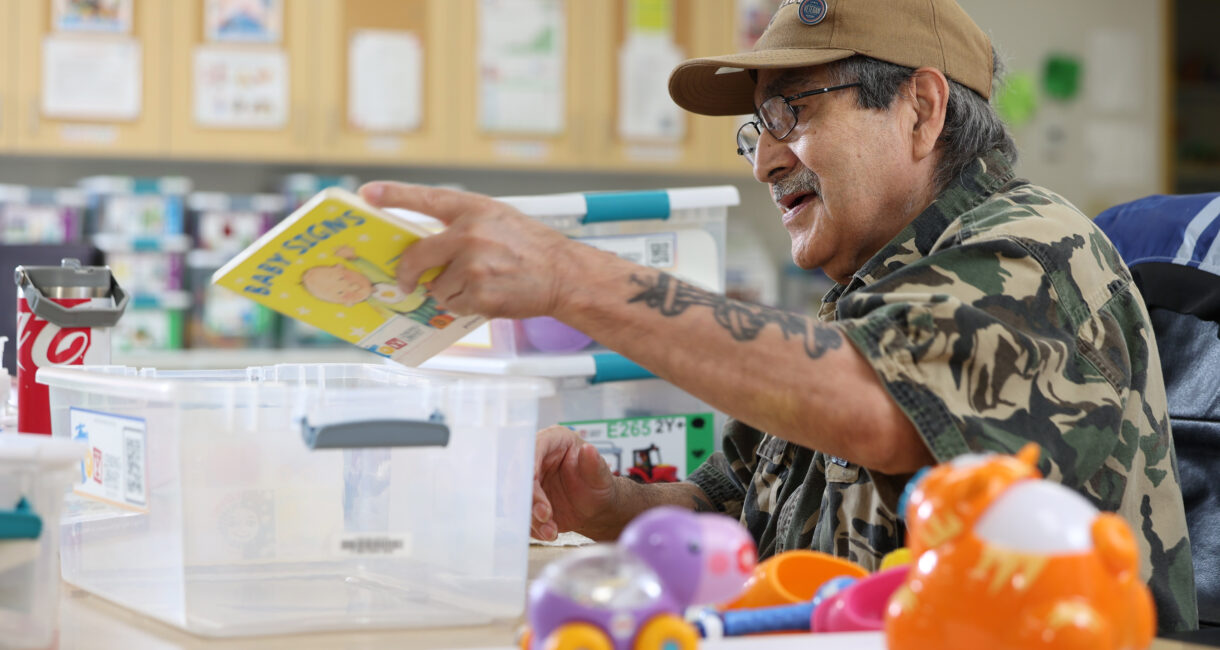
Each toy box is organized by age guidelines, theme and developmental goal – whether that’s identifying letters, practicing cause and effect or understanding social skills. Some also are labeled for kids who have autism, blindness or other needs.
The boxes include books from the U.S. Centers for Disease Control and Prevention, which help teach caregivers about milestones their children should reach. They also include resources in South Dakota, so caregivers know where to turn if they think the child needs testing or services.
In its first year, the library checked out about 250 boxes. Last year? It was more than 10,000. Caregivers can come to the library on South Spring Avenue to get the boxes. They also circulate at libraries across southeastern South Dakota, including in Sioux Falls and, new this year, Mitchell. Coscioni said they are always looking to expand to get more boxes in the hands of more children.
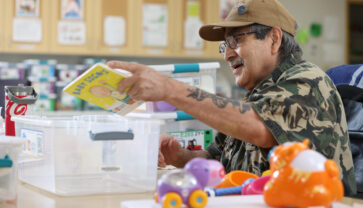
It’s a tightly run organization, with six part-time employees and about 100 volunteers.
Toy Lending Library of South Dakota
The Toy Lending Library offers free toy boxes for families to borrow. The boxes align with certain milestones and interest areas for children.

Helping young families
Alyssa Schmidt’s twin sons were six months old when she discovered the Toy Lending Library boxes at the downtown branch of Siouxland Libraries.
“They have a good selection of them right there in the children’s section,” Schmidt said. “They’re really easy to look through, and we thought, ‘wow, this is really convenient.’”
Now, her sons Daniel and Theodore are 5, and they still enjoy the boxes. Both boys have been diagnosed with autism, and Schmidt said the boxes have been helpful.
“That’s one benefit of them – they are curated by age. Otherwise, it’s hard to know what toys they should be playing with or what helps them work toward milestones,” Schmidt said.
She also appreciated that the boxes were free – saving money on buying new toys, especially with twins.
“There is a huge variety of toys, and we’ve never had trouble finding boxes that interested our sons. Plus, there are books included, so we could talk about the skills they were learning,” Schmidt said. “It gave us as parents some confidence.”
The toys chosen for the boxes encourage interaction. “We try to stay away from battery operated toys,” Coscioni said. “We want the child to play with the toys, not the toy to play for the child. We have very hands-on toys.”
While the library started for families who couldn’t afford toys, Coscioni said they serve anyone who comes in.
“If you’re a parent who is able to buy toys for your kids, you often end up with things that kids play with for a while, and then they stop playing with them,” Coscioni said. “This is normal – maybe your child mastered the skill on that toy and is ready for a new challenge. The toy boxes let parents rotate toys in and out to continually challenge their kids.”
The toys are cleaned and sanitized between uses, checked for loose items, recalls and general upkeep. “We go beyond the industry standard for toy safety,” Coscioni said.
Community support
Patrick Gale, vice president of community investment for the Community Foundation, said the Toy Lending Library has become a vital part of early learning in the community. The organization has received funding from the Community Foundation.
“It’s important to meet so many needs in our community, and the Toy Lending Library makes early learning tools accessible to families who might not otherwise have them. The work they’re doing helps set kids up for success in school, and it also gives parents a free option to provide toys for their children,” Gale said. “It’s a good investment in the future of Sioux Falls.”
Coscioni said support from people through their Donor Advised Funds at the Community Foundation also has been integral to her organization. “We are so grateful that people believe in us and our mission, and because of that, we are able to help more kids and families,” she said.
It all contributes to healthier families – and more moments of joy and playfulness.
“When caregivers play with kids, being with them, talking to them, singing and reading to them, all of those interactions help kids grow,” Coscioni said. “Play is good for everyone. It relieves stress and improves cognition. It gives anyone, adults and children alike, a moment where they’re not worrying about things in their lives they can’t control. That break for someone’s brain is healing.”