
Meals on Wheels Builds Connections
Meals on Wheels provides food, friendship
Meals on Wheels brings healthy food, moments of friendship to homebound seniors.
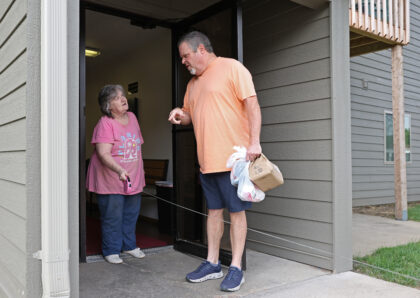
A few days a week, Mark spends his afternoon driving.
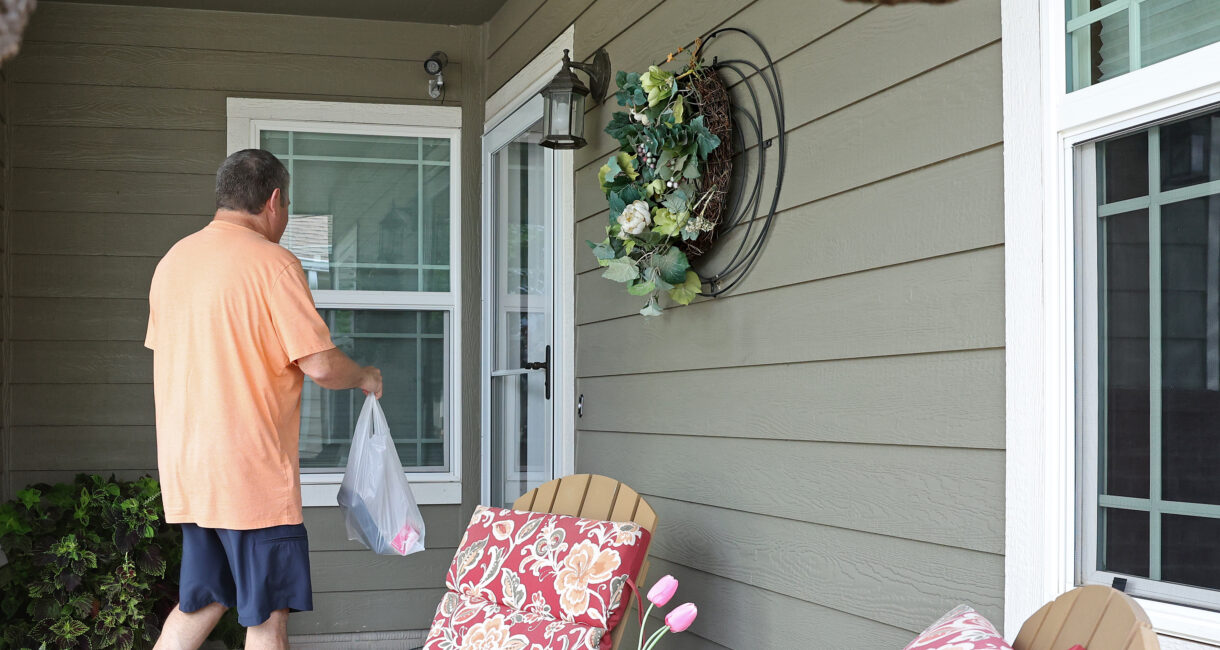
First, he stops at Active Generations, where he picks up meals to deliver. Then, he spends about an hour stopping at townhouses, apartment buildings and houses in southeastern Sioux Falls.
Some visits are short – just a knock at the door, a smile and giving bags of hot and cold meals. Others are a little more involved – maybe greeting a much-loved dog, visiting for a few minutes and sharing a few laughs.
It’s all part of Meals on Wheels, which provides nutritious meals to homebound seniors. But it’s more than just delivering food, said Betsy Schuster, CEO of Active Generations.
“People need nutrition, but they also need that connection of someone coming to their door, saying hello. It might be the only person they talk to that day. Meals on Wheels provides both of those things, and it's critical for those who are homebound in our community,” Schuster said, noting they serve more than 22,000 meals per month.
Mark has done his route so many times, he has it nearly memorized.
“I think my car could just drive me to each stop by itself at this point,” Mark said. “I’ve gotten to know a lot of folks on it pretty well. I really look forward to it, and to hopefully make a difference.”
At one apartment, he rings the bell and waits a minute. Lila comes down, bringing her dog, Angel. There’s a bit of dogginess – sniffing and exuberance. Mark takes the leash and walks with Lila back to her apartment door.
She’s 74 and has been receiving meals for about two years.
“They’ve just been my saving grace,” she said. “The food is good, and I love seeing Mark. What they do is appreciated. I’m semi-handicapped, and when you live alone, it’s hard to cook for one person. The rest of my meals are probably snacks. If it weren’t for Meals on Wheels, I wouldn’t get a full meal. I can’t praise it enough.”
Mark began driving when his church, St. Mark’s, needed volunteers. He did it a few times, and then after he retired from a career in management at Burger King, he took over his route a few days a week. He is continuing a family history of volunteering – his mom used to drive for Meals on Wheels, too.
“She rides with me now sometimes, and my grandkids come along when school is out,” Mark said. “I got started with my church, and now I’m just much more involved.”
He likes connecting with people, especially those who might not have a lot of visitors.
“I like the friendships and seeing folks and hearing about their lives,” Mark said. “They have families, but you know, some don’t have much. Not everyone can get out and go to a store or a restaurant, whether the burden is financial or transportation. This way, we can make sure they have something that’s good for them.”
Meals on Wheels
Meals on Wheels serves more than 22,000 meals per month to more than 600 seniors in Sioux Falls.
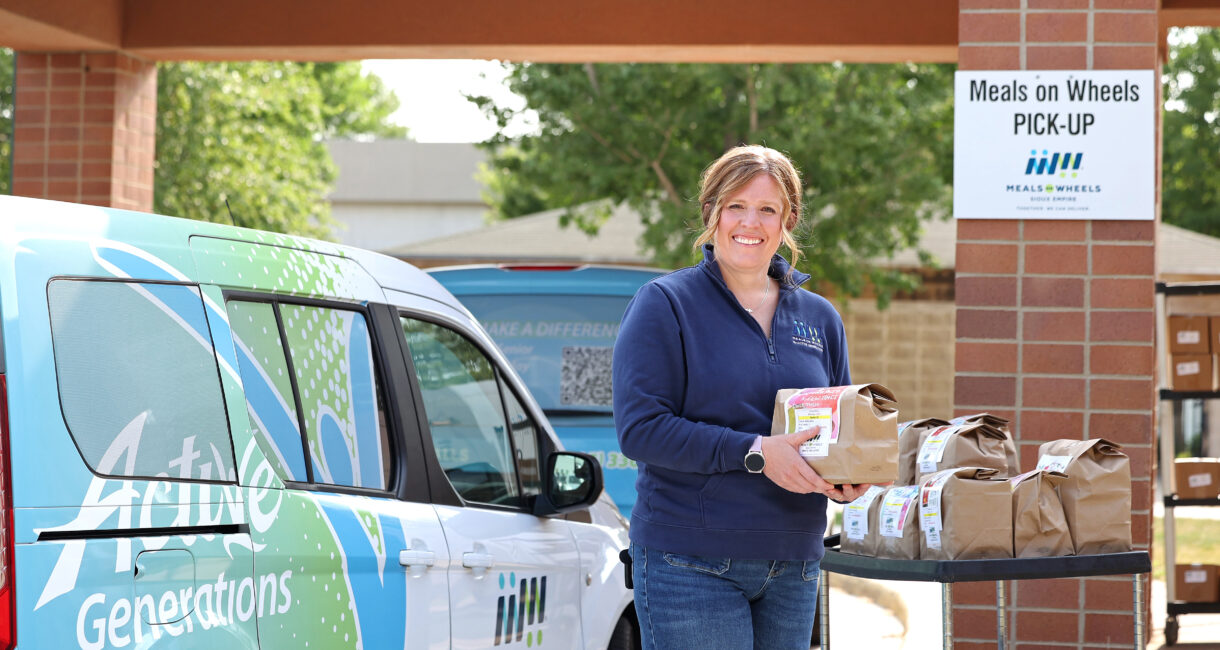
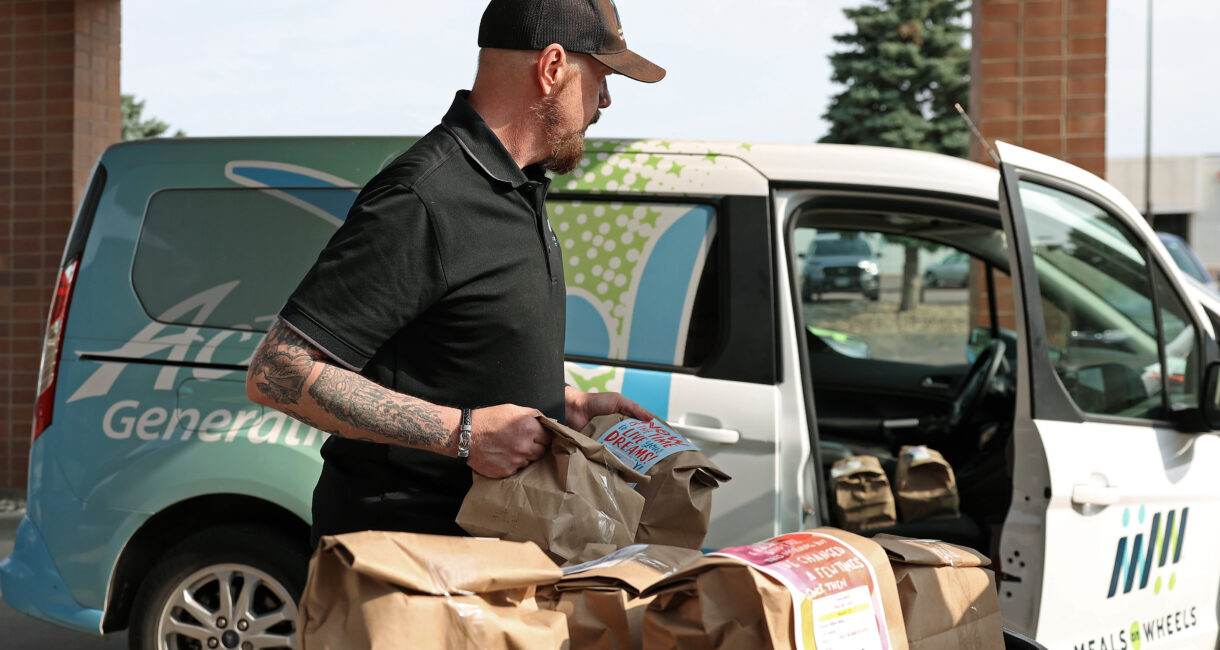
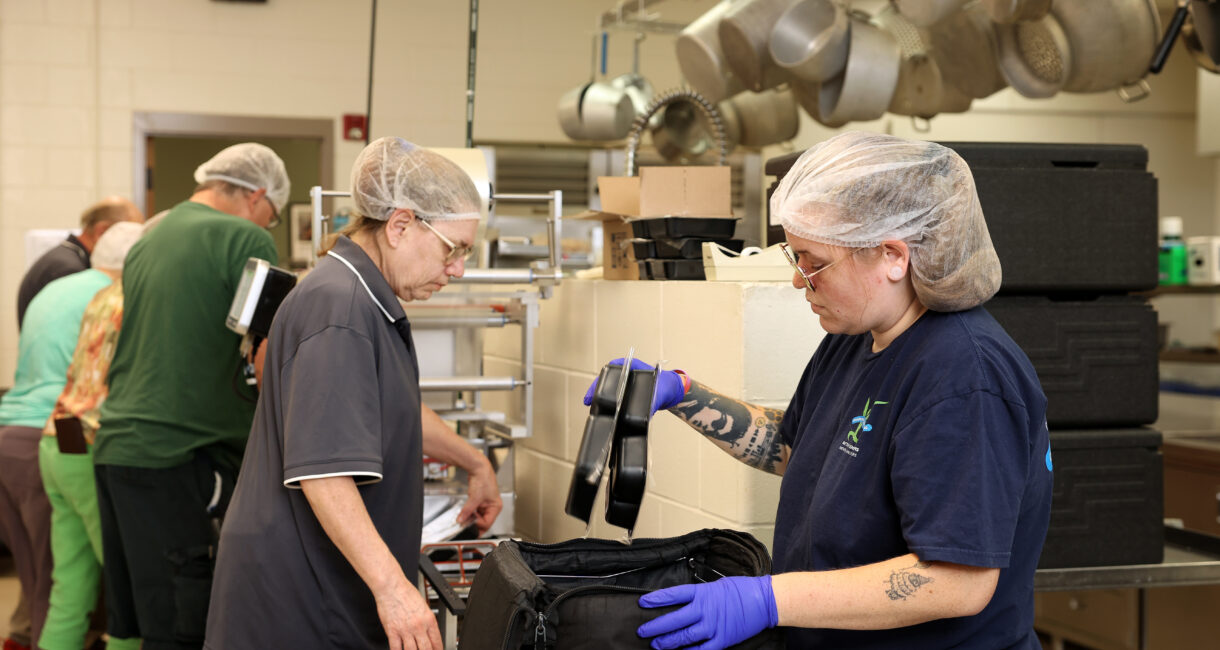
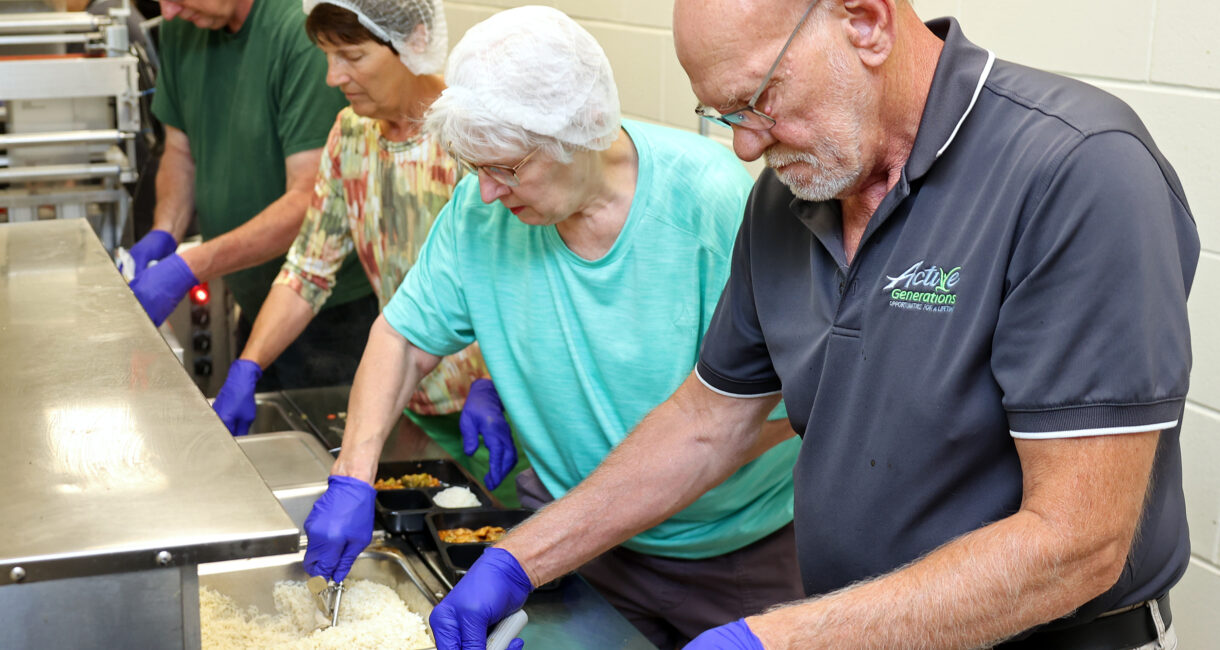

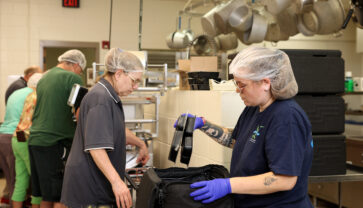
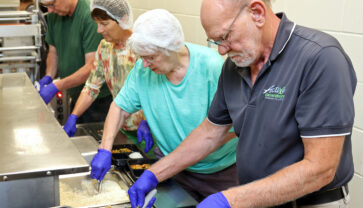

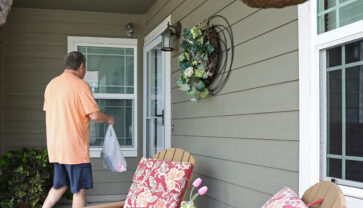
Meals are delivered Monday through Friday to about 600 people in Sioux Falls. The main qualification is to be homebound, and Schuster said they usually can quickly get someone set up to begin receiving free meals.
They recently launched a new technology system that helped automate their delivery-route planning process, which used to be tedious and manual, Schuster said.
“When I first started here, I was watching the Meals on Wheels process, and it was fascinating,” she said. “Our team is phenomenal, and there were all these binders, and they were basically Google mapping every single day on where they had to go, who was on the route, who didn't need a meal that day, who was maybe in the hospital. And it would take hours to get ready.”
Schuster was amazed by the process, but she knew if the organization wanted to grow, they had to be more efficient. She was awarded a grant from the Community Foundation to update the system.
They built custom software to plan routes, and eventually it also will help coordinate volunteers. “As we evolve, we need to be as efficient as possible so our impact can grow,” Schuster said.
Now, they’re considering adding routes.
“Without the Community Foundation, we wouldn’t be where we are today, and we are so grateful for that investment into our program.”
Patrick Gale, vice president of community investment for the Community Foundation, said work like this helps organizations remain sustainable.
“Active Generations knew they needed to find a way to be more efficient. Developing an app that would organize their food delivery system helped their volunteers and saved time, but what it really did was allow them to deliver more meals to more people,” Gale said. “That’s the kind of community impact we’re proud to support.”
Other programs
Active Generations offers a variety of services to inspire active and healthy lifestyles for hundreds of adults – including adult day and caregiver support, community services and more.
The day services program for people with Alzheimer’s disease or dementia recently expanded. Now, three locations serve about 30 people a day, including the Beacom Family Village.
“We’re continually looking for how we can we keep individuals at home longer and reduce the stress for caregivers,” Schuster said. “Local dollars have helped us provide this level of service and engagement.”
Most recently, they realized adults living with Parkinson’s disease had unique needs, and there was an opportunity to meet them with specialized classes at both campus locations.
The Seed for Success Foundation, a supporting organization of the Community Foundation, helped fund the launch of Parkinson’s Pathways, which offers free specialized strength classes, table tennis, sing-alongs, painting and more.
“It’s amazing to watch people’s confidence grow, and the camaraderie that happens in these classes,” Schuster said. “We are so grateful to Seed for Success Foundation for their help in launching this program. We can help participants maintain their independence and strength.”
Spouses and caregivers are encouraged to participate in sessions with their loved ones.
Schuster said Active Generations is continuing to evolve to meet community needs – and to help people understand they are there to serve all adults. More people want to live at home and age in place, and programs like this can help, Schuster said.
“We all need connection,” Schuster said. “We all need social wellness and fitness, and that’s what we’re looking toward – being a place of community.”