Latest News
From Business Sale to Lasting Gift: Advisors Learn How S Corp Shares Can Fuel Giving
When generosity and sound planning come together, business owners can turn the sale of a lifetime into a gift that lasts for generations.
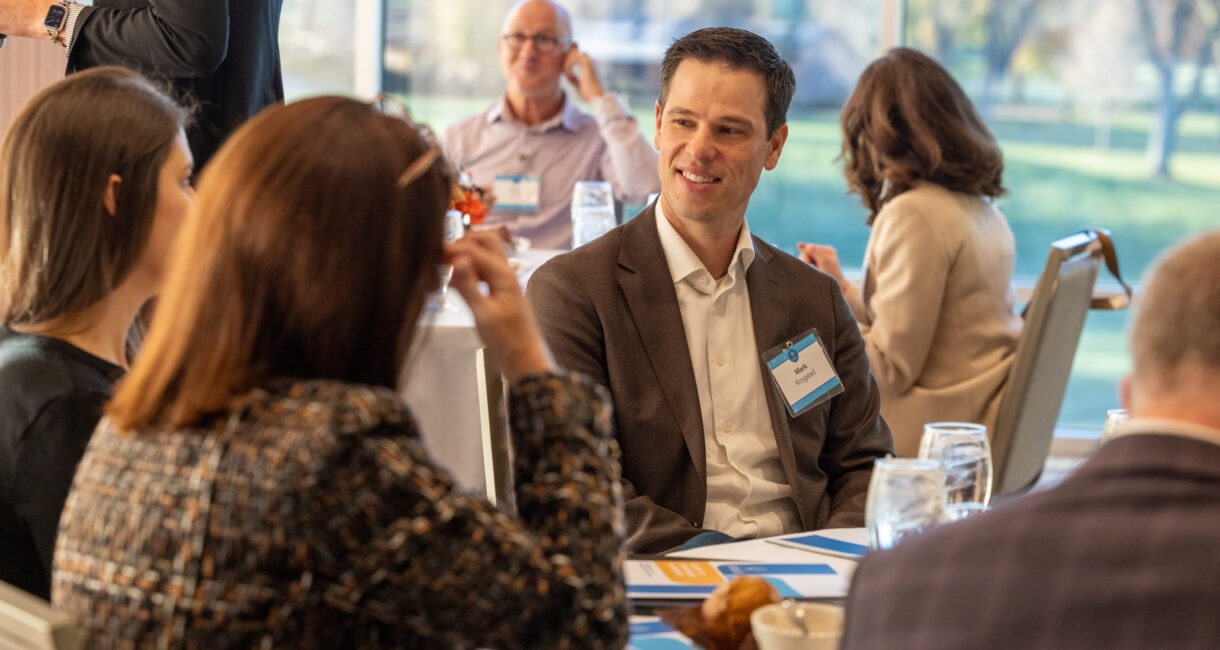
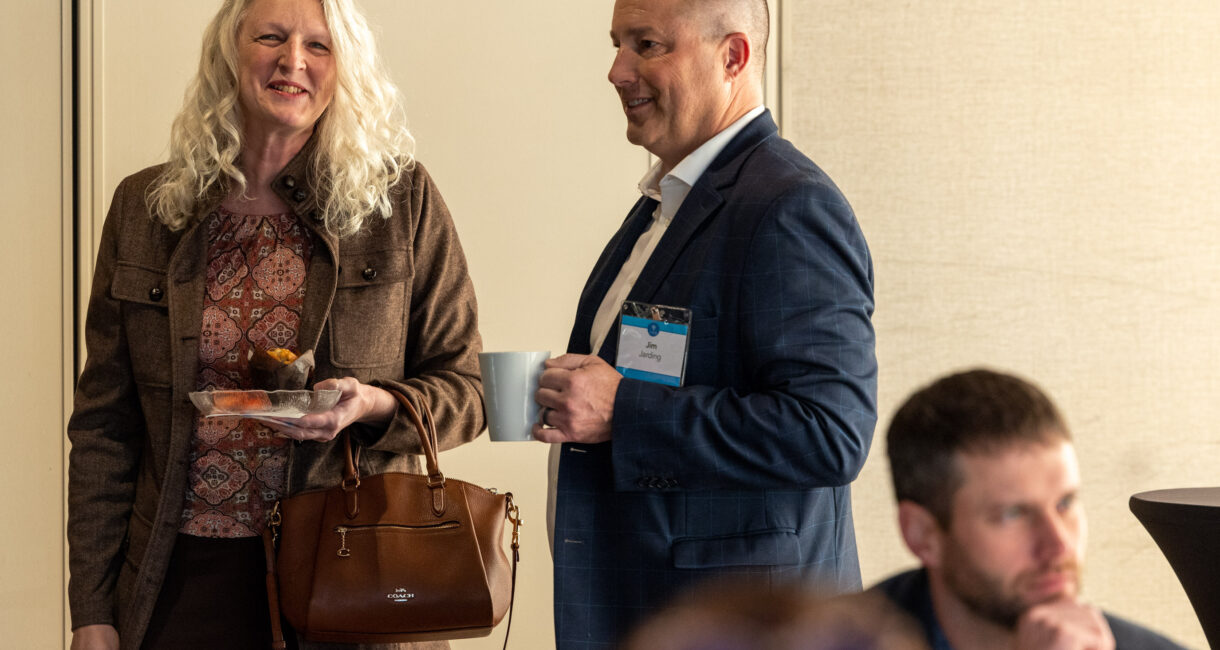
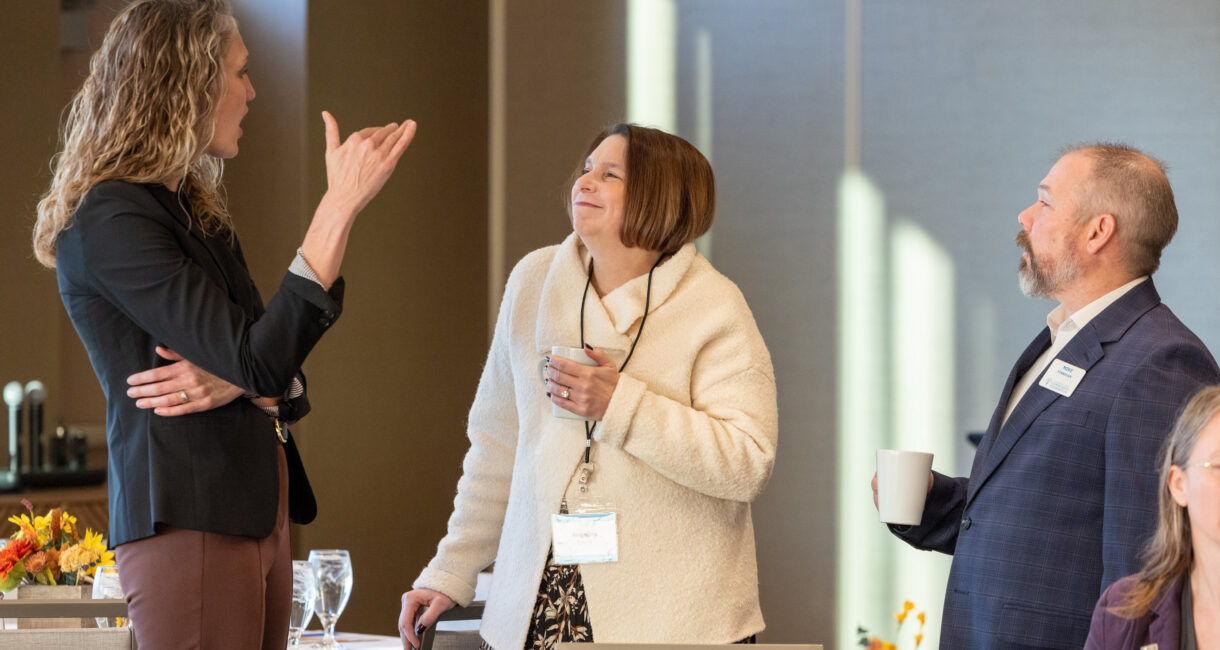
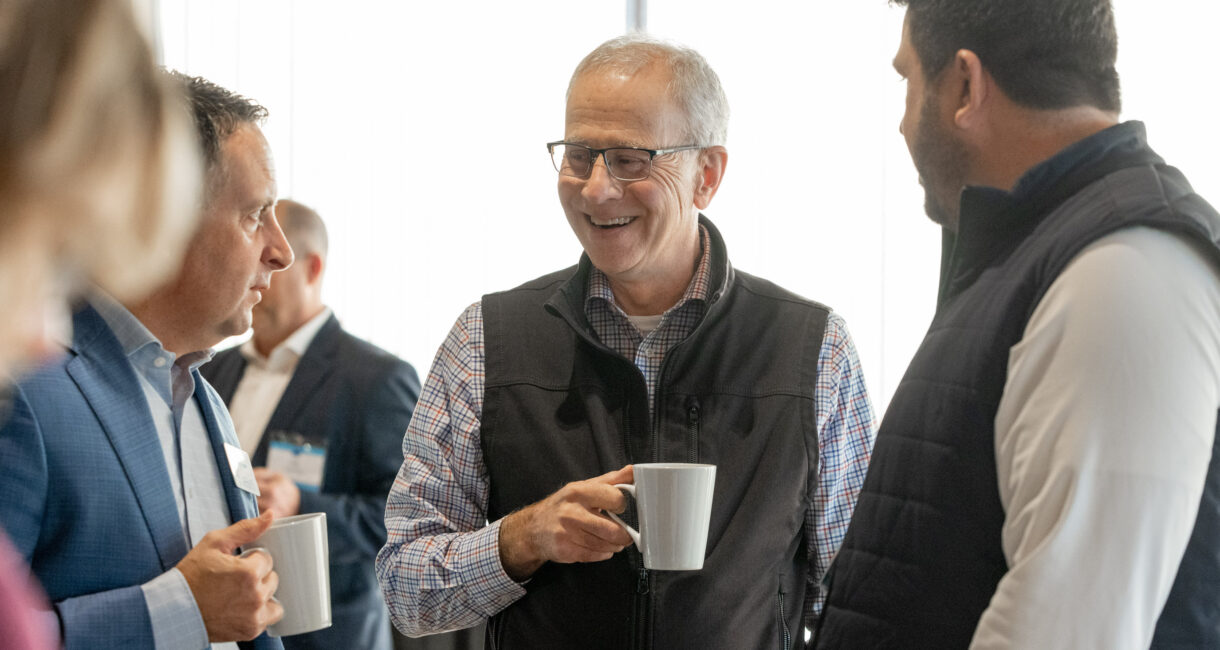
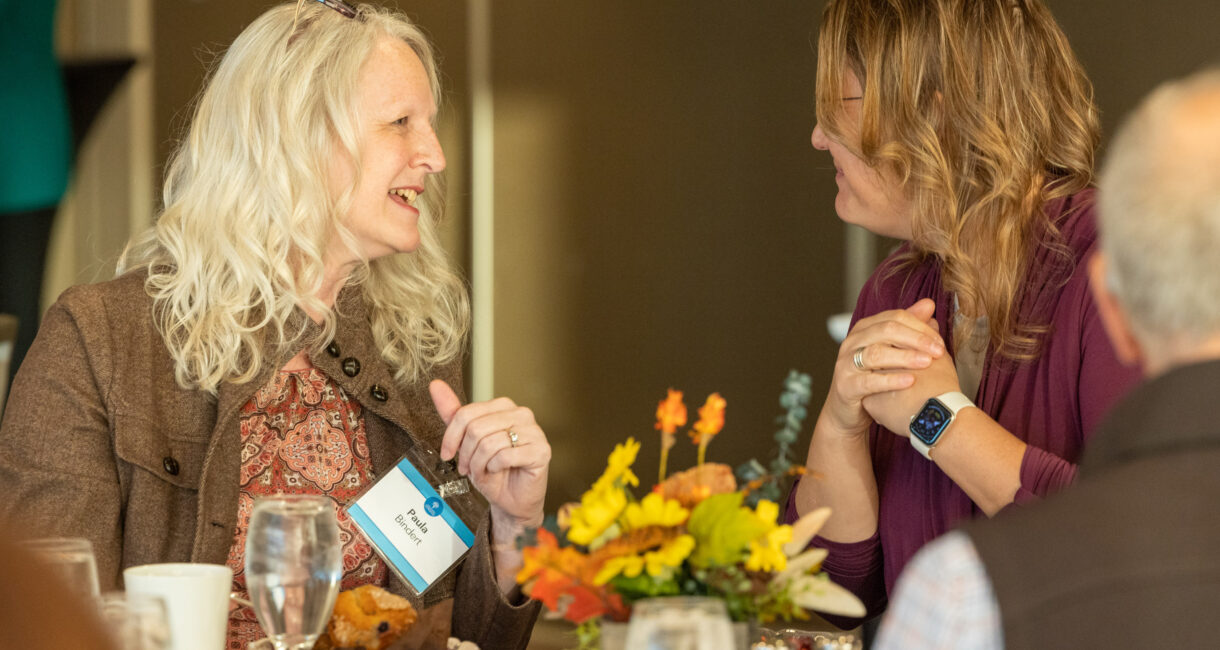
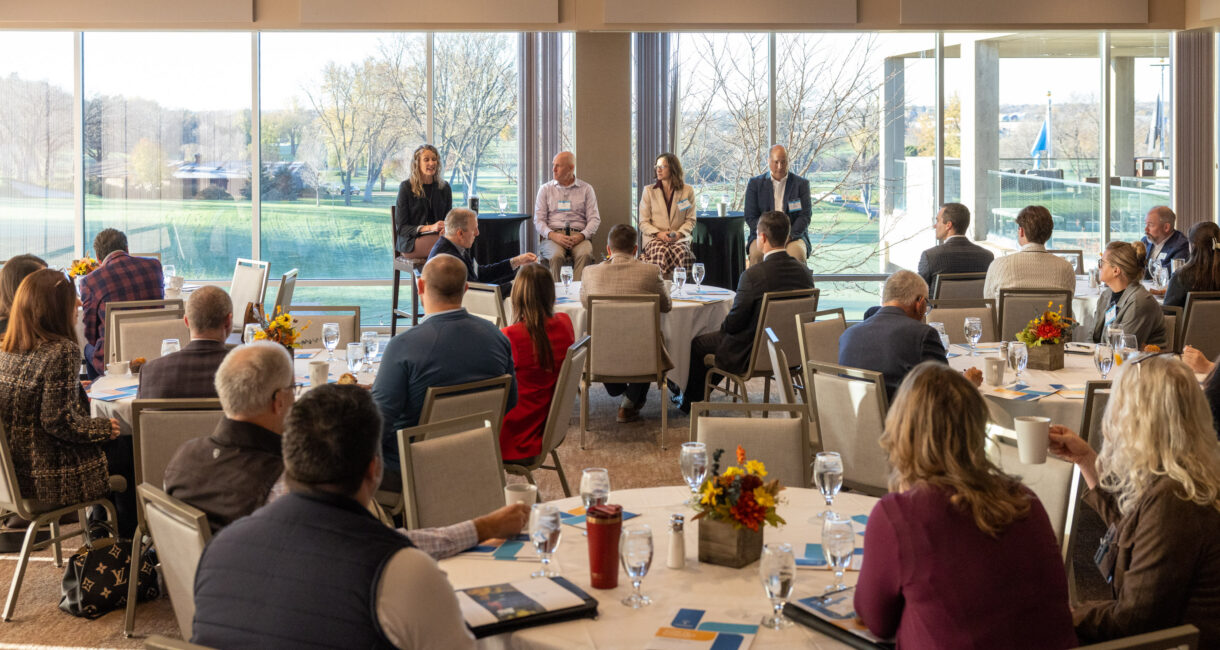
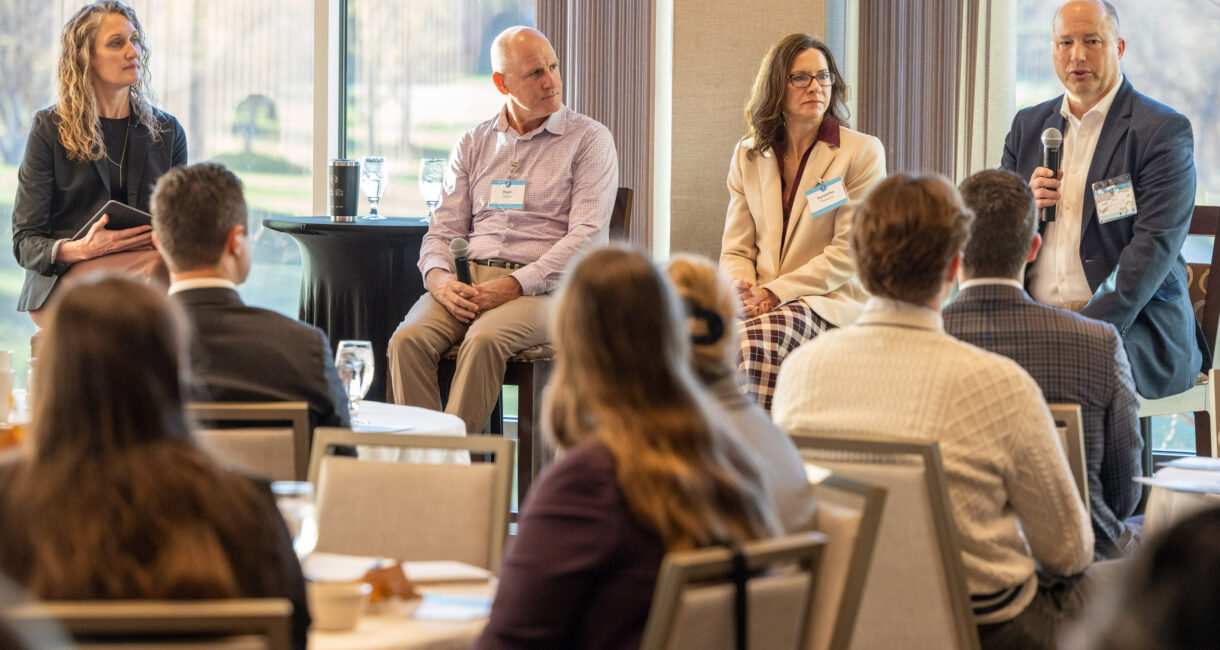
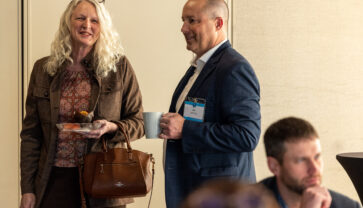
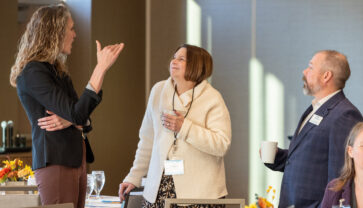
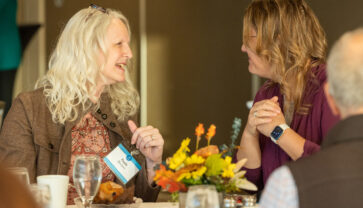
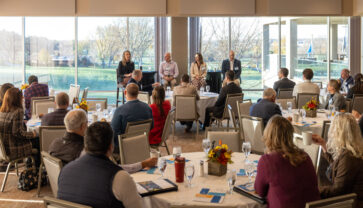
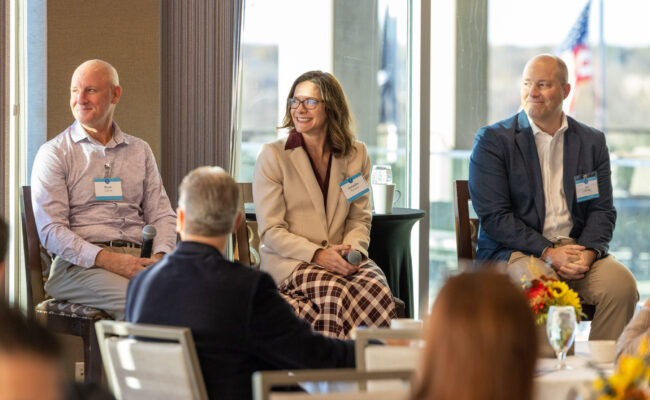
Last week, more than 50 professional advisors learned how donating S Corporation shares can maximize tax efficiency for their clients.
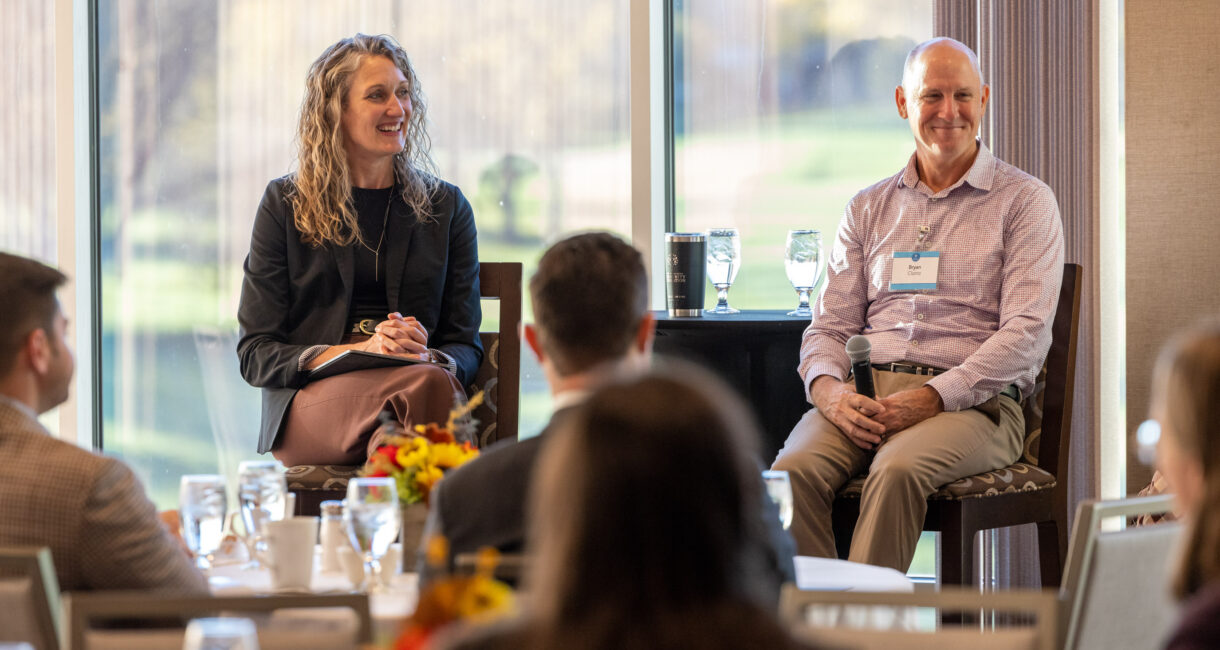
The presentation, led by nationally recognized speaker Bryan Clontz, featured a case study where, by bringing the Community Foundation to the table early, a Sioux Falls business sale gave its owners a meaningful way to incorporate philanthropy into the transaction.
The structure of the gift – contributing the S Corp stock into a Donor Advised Fund in trust form – was integral to the success of the transaction.
“We want to share planning opportunities with the many estate attorneys, financial advisors and CPAs who may have clients with businesses structured as S Corps,” said Mary Kolsrud, chief philanthropy officer for the Sioux Falls Area Community Foundation. “Many successful business owners feel a responsibility to give back to the community that helped their business grow.”
She noted that gifts of S Corp shares can be sticky from a tax perspective, but that the Foundation has experience and expertise when it comes to gifts of complex assets.
In this case, one of the partial owners of Bell Inc. donated a portion of their shares before the sale of the business. That kind of planning – and bringing the Community Foundation along early – is important, said Clontz, who specializes in noncash assets and who worked on the gift, along with Jim Jarding of Eide Bailly and Samantha Parsons, who was CFO of Bell Inc. at the time.
Incorporating philanthropy
Charitable deductions are part of any client conversation, Jarding said.
“These shareholders of Bell Inc. have been very philanthropic,” Jarding said. “When people have a variety of assets, our job is to be efficient taxwise and help them give the right asset at the right time.”
They had a Donor Advised Fund at the Foundation, and donating appreciated stock already was part of their giving. That relationship and trust with the Foundation was helpful when the idea of donating S Corp shares came up, Jarding said.
“This was my first time helping gift S Corp, but my job is to present opportunities and let the client decide,” Jarding said. “We explored this option, and it made sense.”
Parsons said a business sale comes with its own challenges, never mind adding the complexity of the charitable donation.
“I wanted to make sure it would work out the way the shareholders wanted,” Parsons said. “Any concerns were quelled pretty quickly. Prepping for a sale is daunting in many ways, but this transaction really integrated well into the process.”
Timing matters
Timing was critical, Jarding said.
“Being on the front end of that lets you explore options, and then you have a lot of flexibility,” Jarding said. “I had a lot of conversations with the Community Foundation, and, in the end, I was able to really advocate for the shareholders and help them be confident that the Foundation had the skill set to do this work well.”

Clontz said this transaction is a perfect example of how the Community Foundation can be a great partner during a business transition. He noted the popularity of S Corps, presenting an opportunity for professional advisors to have timely conversations with their clients.
“The most charitable people are the owners of privately held businesses,” Clontz said. But, he stressed, structuring the donation properly is important. Here’s how this case played out:
- If the Community Foundation, incorporated in corporate form, had accepted the S Corp shares directly, it would have faced tax liabilities on the income and appreciation from the stock. S Corp income is treated as unrelated business taxable income (UBTI) for a nonprofit corporate entity, triggering federal income tax on allocated income and post-donation appreciation. Even at a 21% rate, this would have significantly reduced the value available for charitable purposes.
- Advantages of Trust Form: By partnering with a DAF organization incorporated in trust form - located in a state without income tax - the outcome was far more tax-efficient. While still subject to UBTI, the trust could offset up to 60% of its adjusted gross income through a charitable contribution back to a DAF at the Community Foundation. This reduced the effective tax rate on the trust’s income to approximately 8%.
- As a result, roughly 90 cents of every dollar of the S corp stock’s value flowed into the donor’s DAF. The donor avoided capital gains tax, received a charitable deduction and ensured the proceeds were available to support their philanthropic goals.
- Download a Case Study in S Corp Shares.
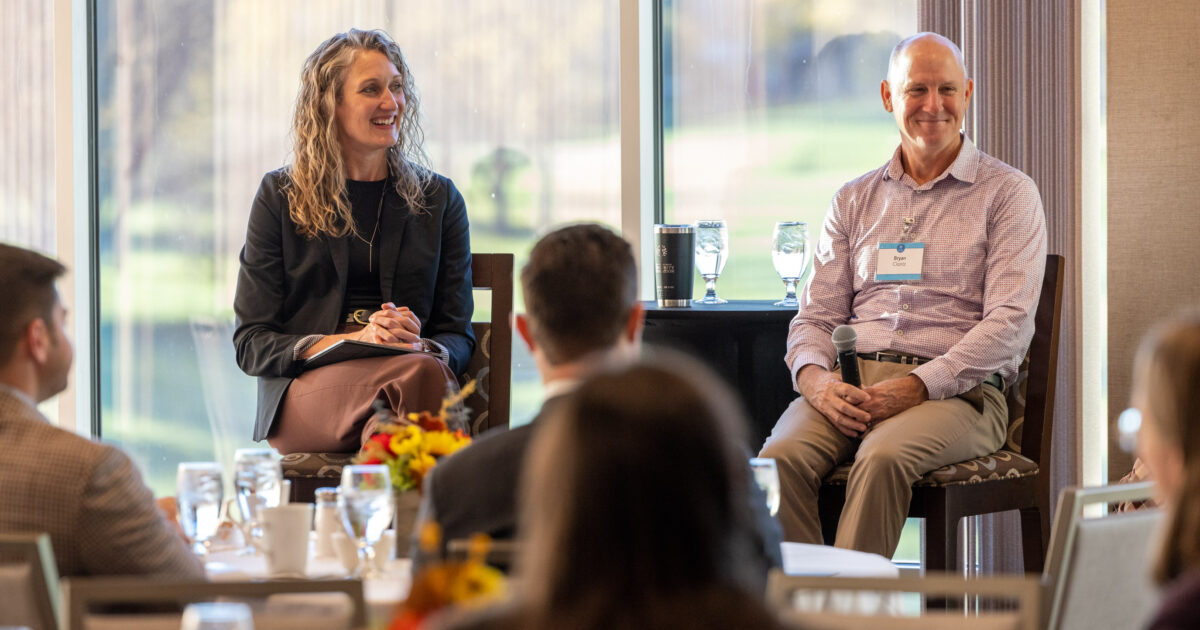
Kolsrud said the Community Foundation can partner with professional advisors to help their clients make the most of their charitable giving.
“This case was just a great example of how, working together, we were able to help these shareholders combine generosity with the sale of their business,” Kolsrud said. “It’s at these inflection points where we can make a big difference.”
Commitment to giving back
She noted that many professional advisors in Sioux Falls refer clients to the Foundation, and, because of that, the community benefits.
“These relationships do more than build trust, they shape the future of Sioux Falls in meaningful ways,” Kolsrud said. “It’s gratifying to see how many people truly care about helping our community.”
Jarding said he learned a lot in the process.
“A big hurdle for people is timing,” he said. “You want to do it knowing the business transaction will go through, but you don’t want to do it too late. That’s where the art is on this.”
Parsons agreed.
“I had some reservations at first, but as we prepared for the sale, I had a high level of confidence the Foundation knew what they were doing, and it wasn’t as daunting as I thought,” Parsons said. “I also wanted to make sure it didn’t jeopardize the process of selling the business, and it didn’t.”
More than that, she liked seeing the shareholders make a contribution that mattered to them. “When you realize the value of this, and the spirit of the gift, you really want to help make it happen,” Parsons said.
For Jarding, part of the satisfaction of this transaction was just knowing he was doing something good in his community.
“If I don’t give people options when it comes to taxes, I’m not doing my job,” he said. “I was born and raised in Sioux Falls. I’m blessed in what I do and feel passionately about helping people give back to this town. You can save taxes and do something good at the same time.”
For information on how the Community Foundation can help you extend the range of services you offer your clients, call Mary Kolsrud at 605-336-7055 or email her at mkolsrud@sfacf.org.
To learn more about how the Community Foundation can help with complex assets, visit our information page for professional advisors. Download a Case Study in S Corp Shares.
From business sale to lasting gift
More than 50 professional advisors learned how donating S Corporation shares can maximize tax efficiency for their clients at a recent event with the Sioux Falls Area Community Foundation.