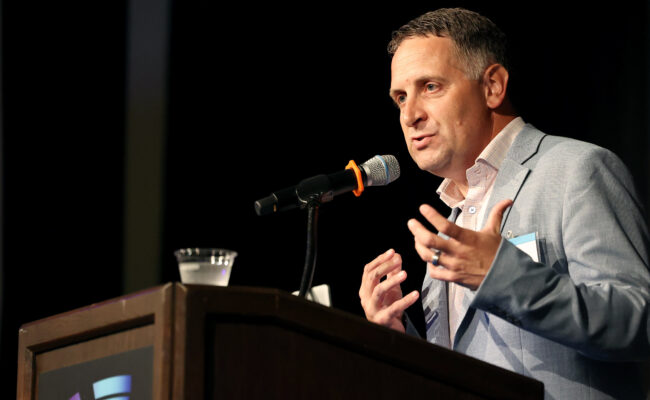
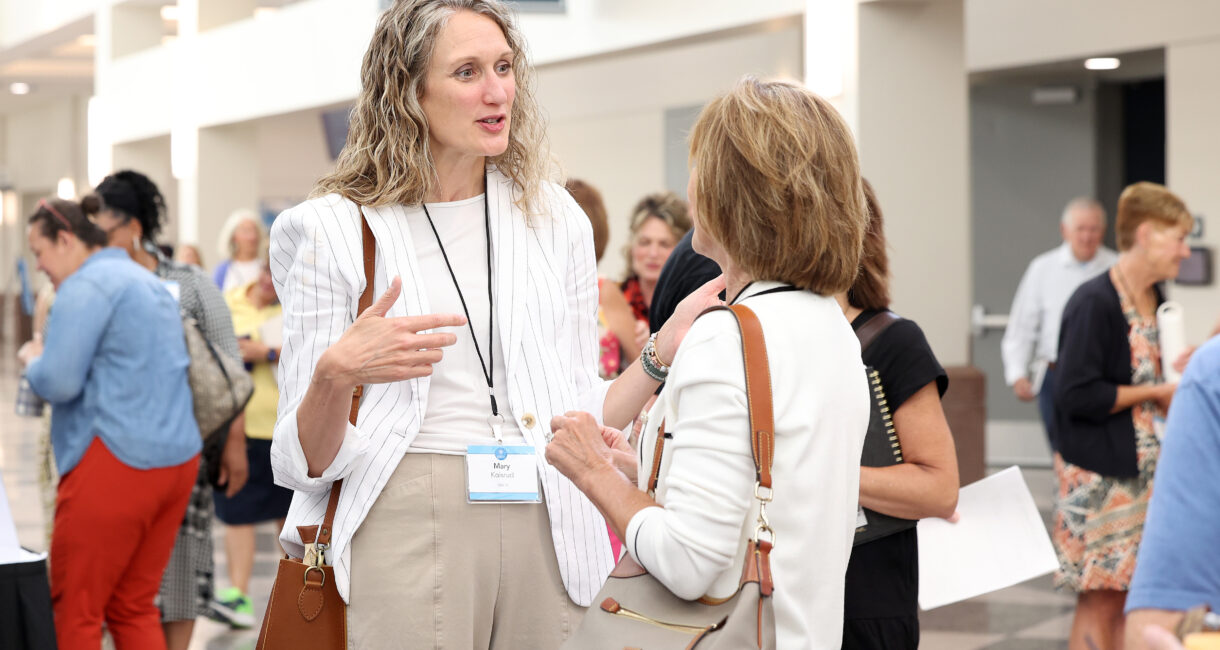
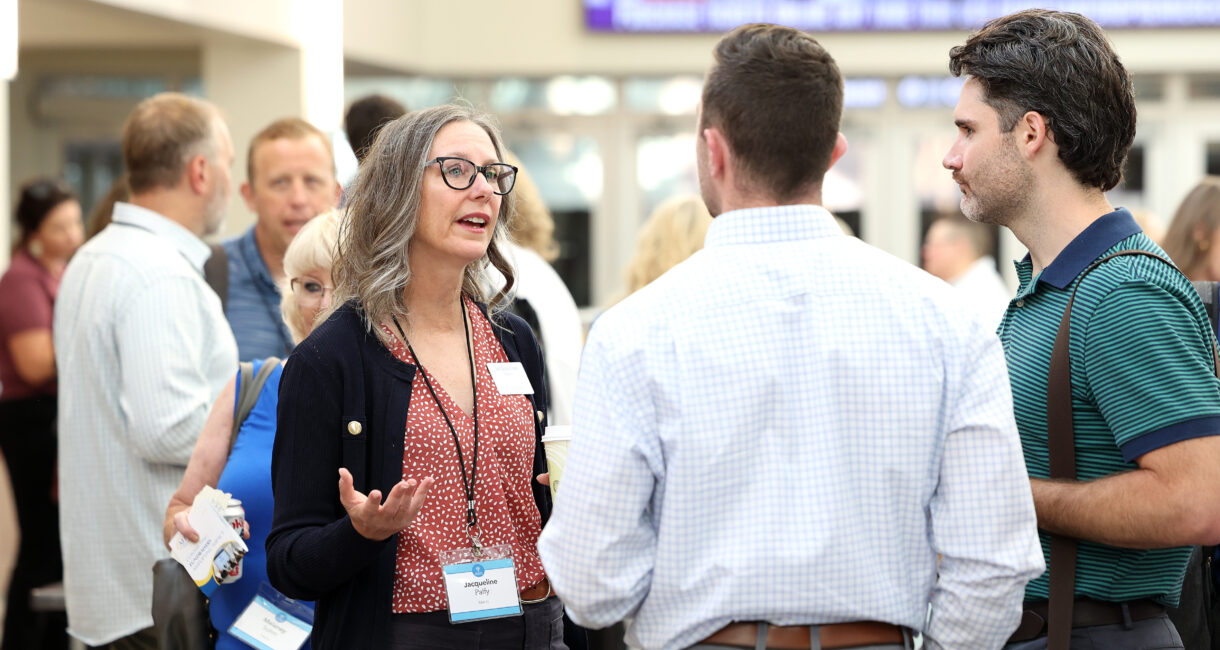
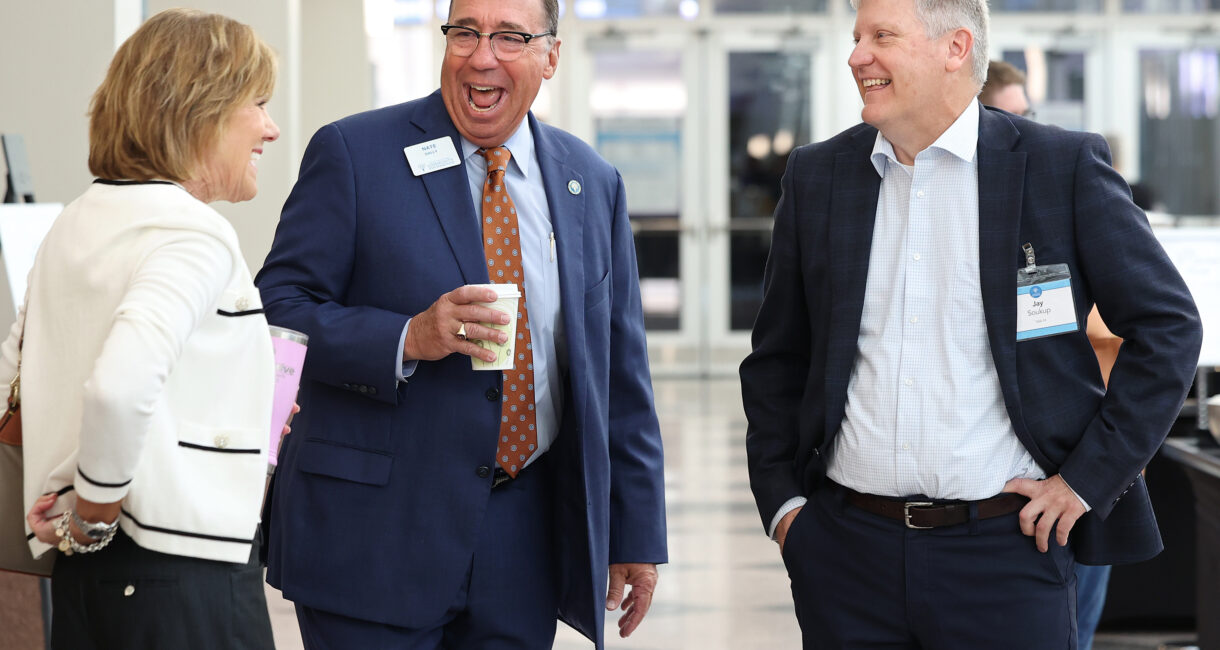
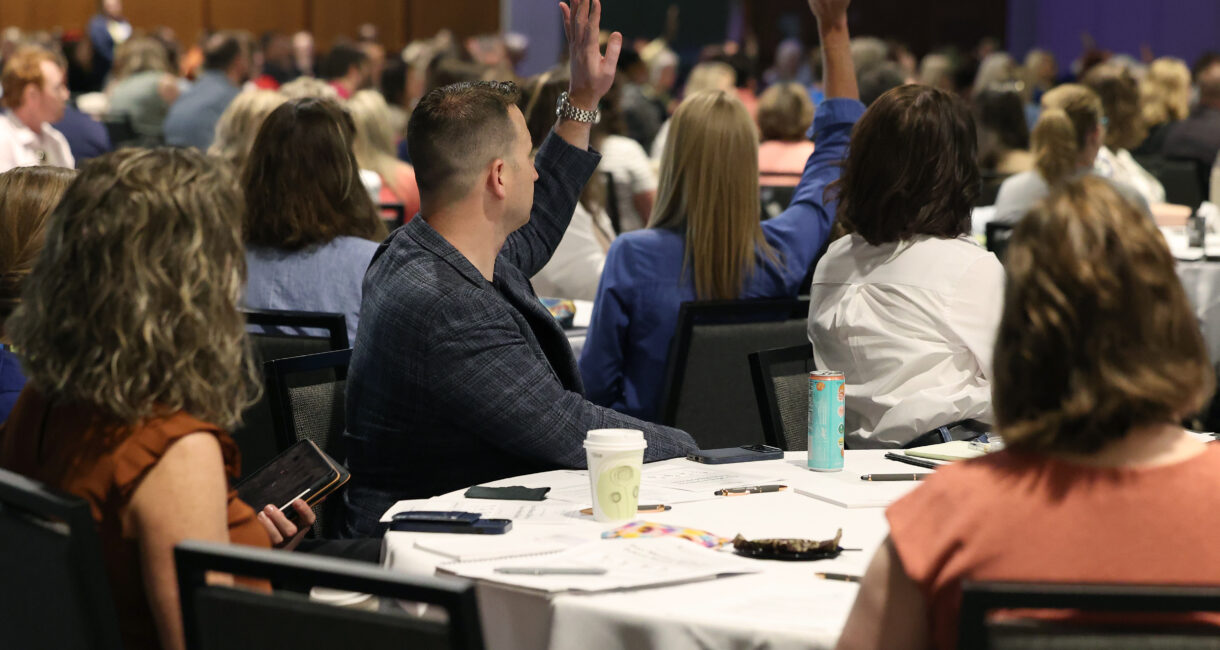
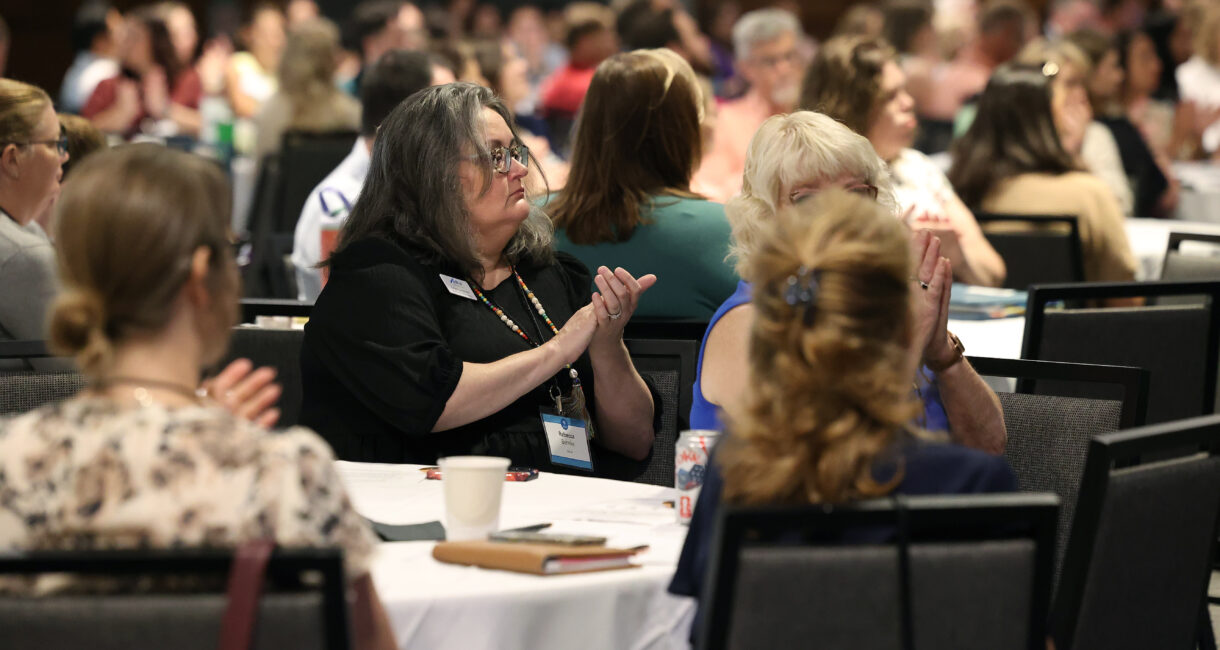
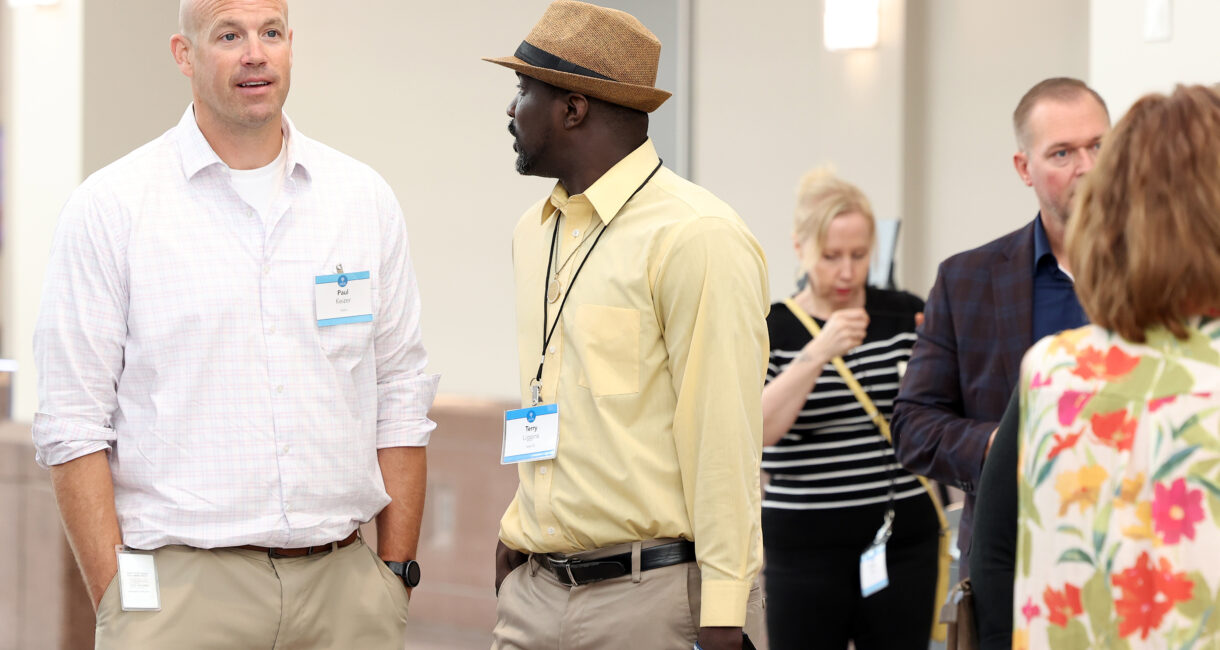
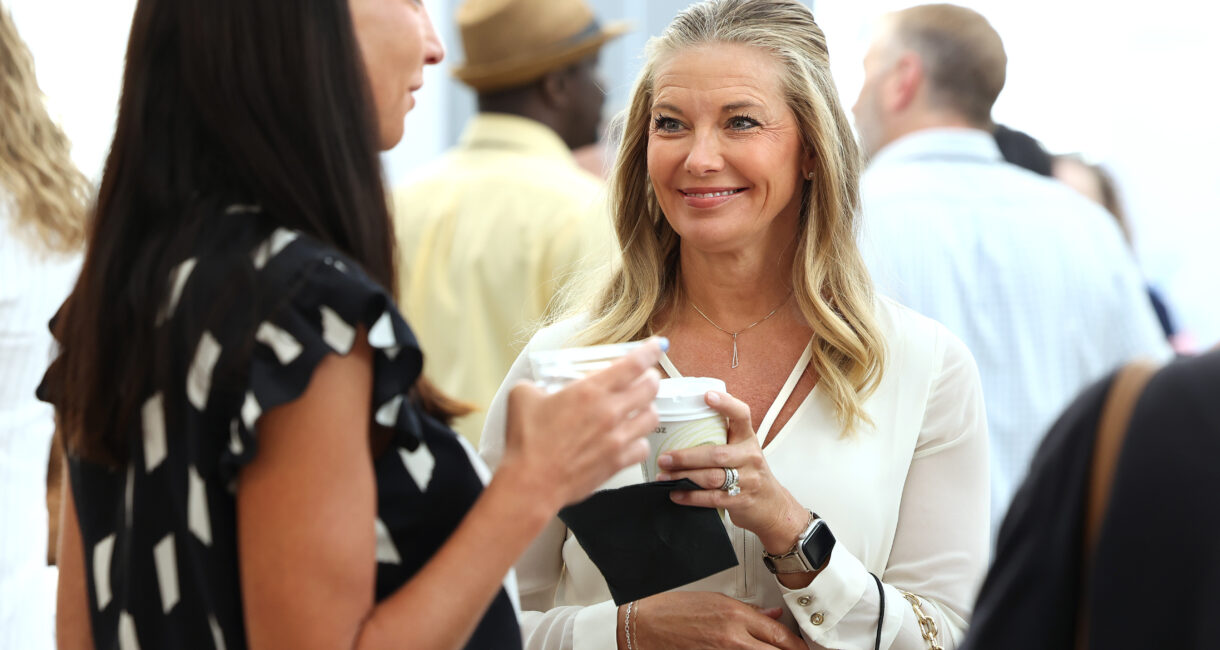
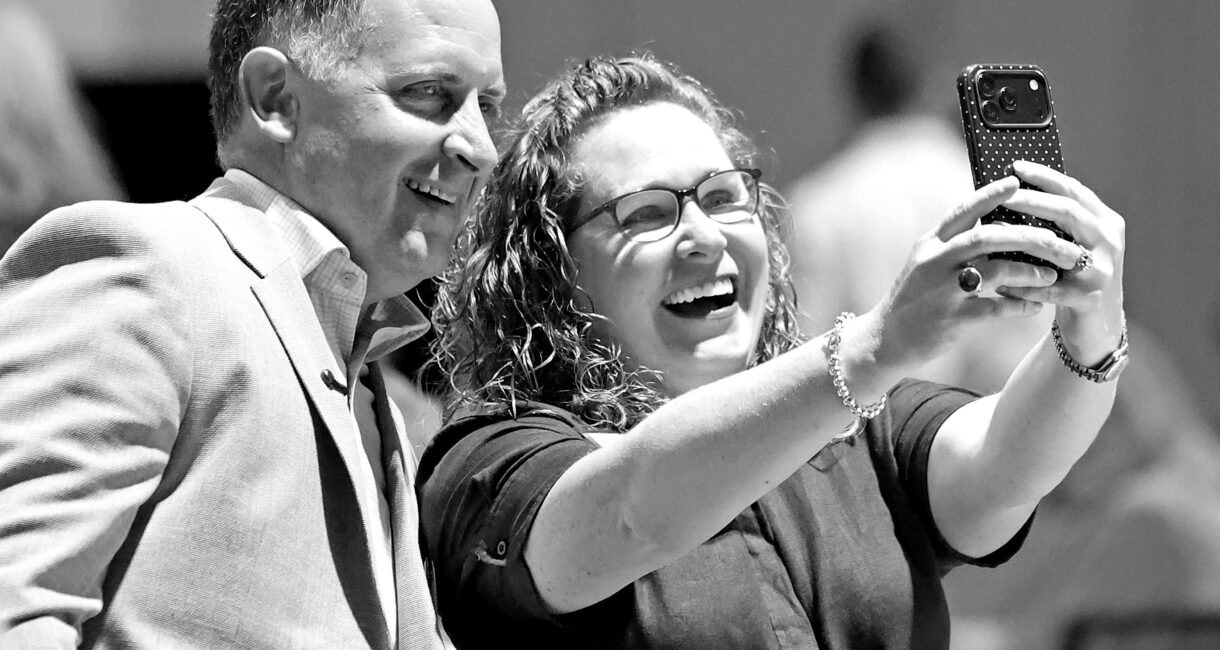
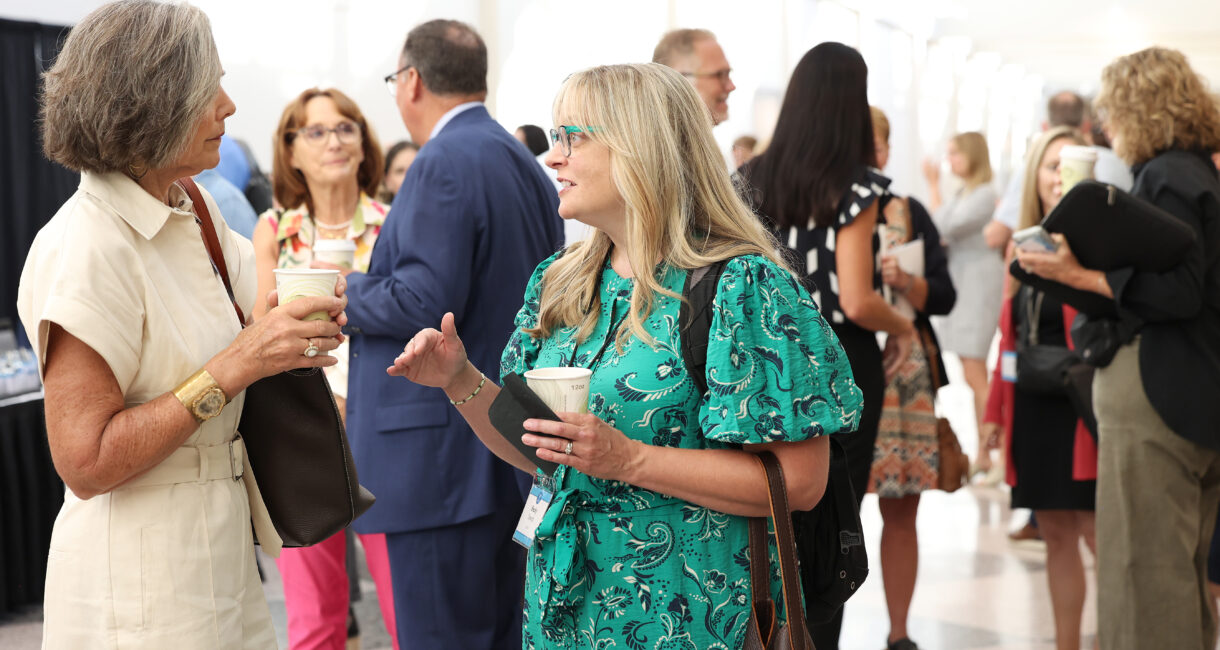
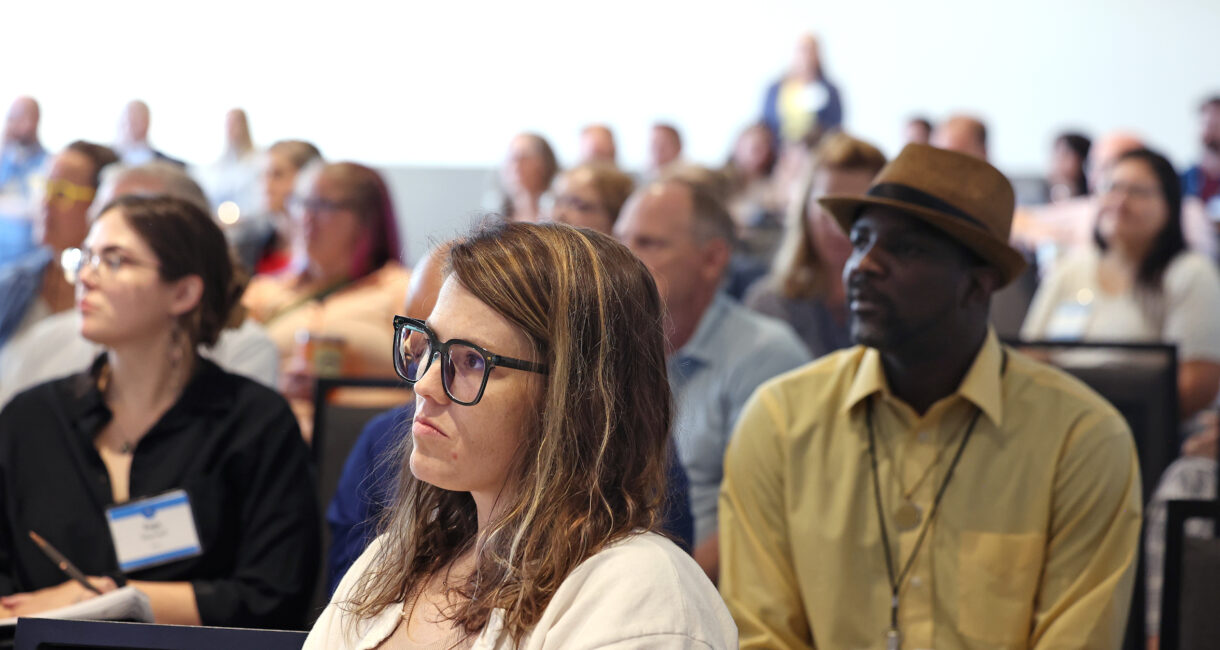
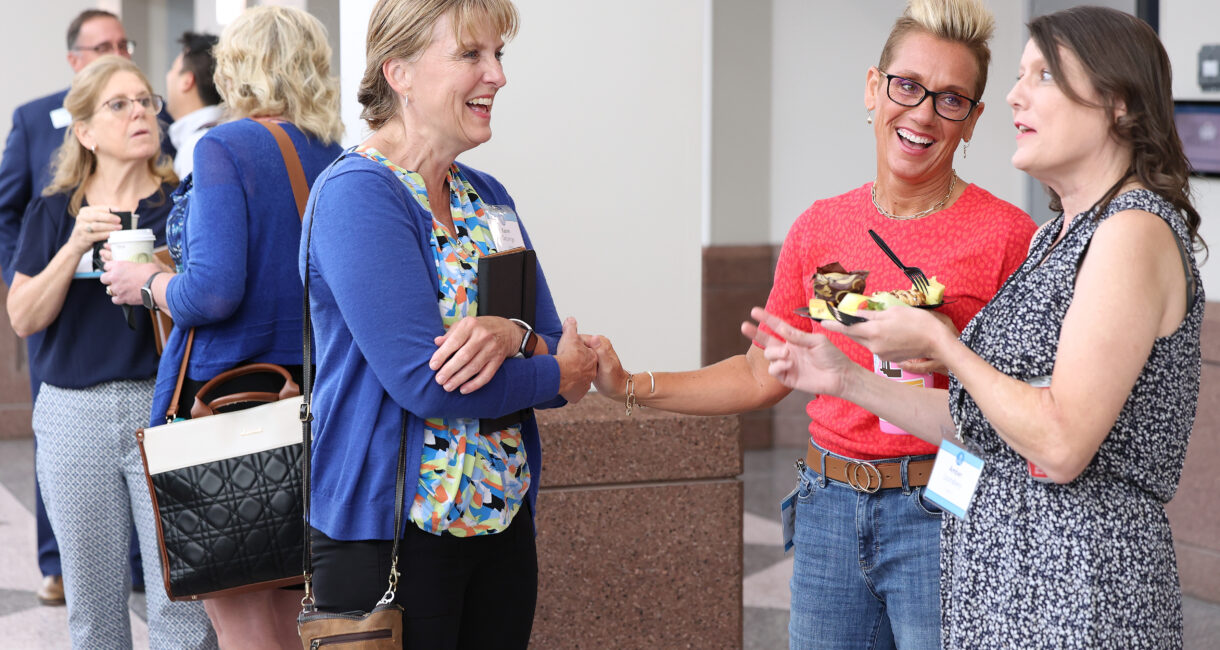
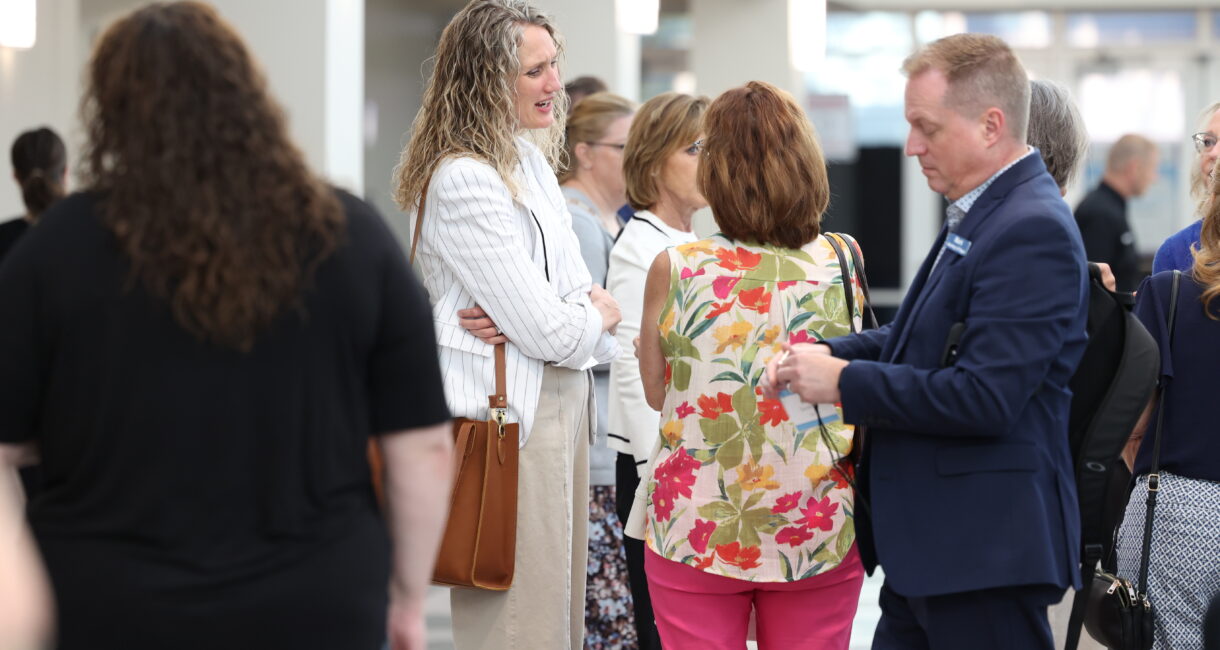
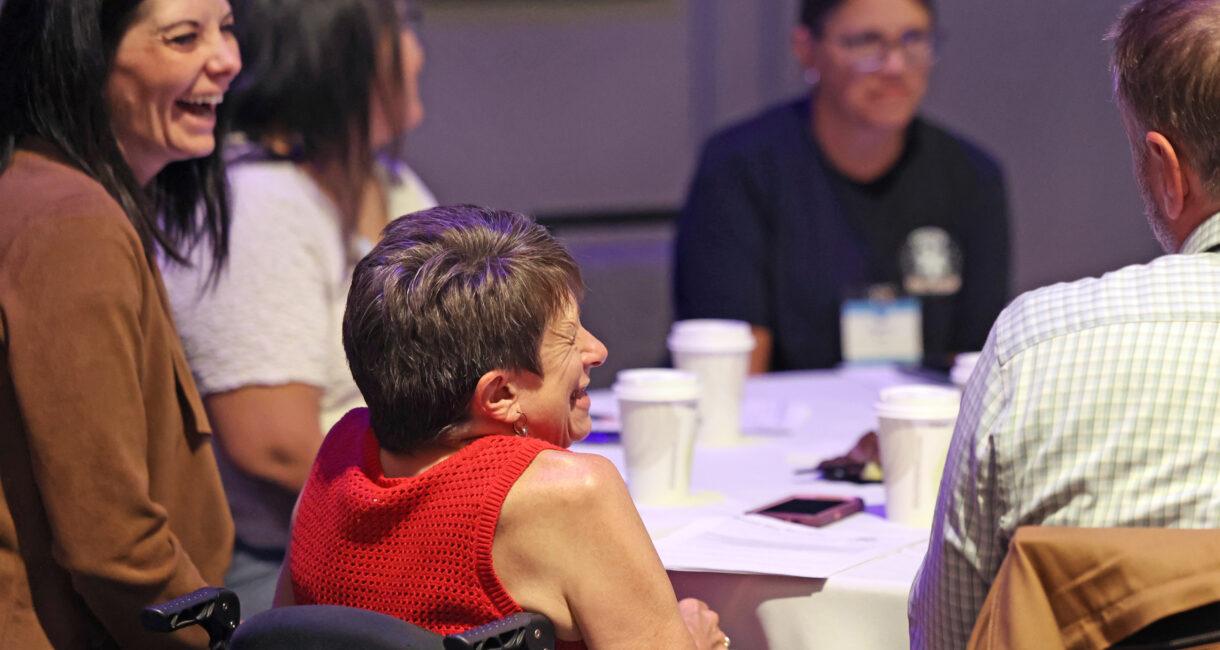
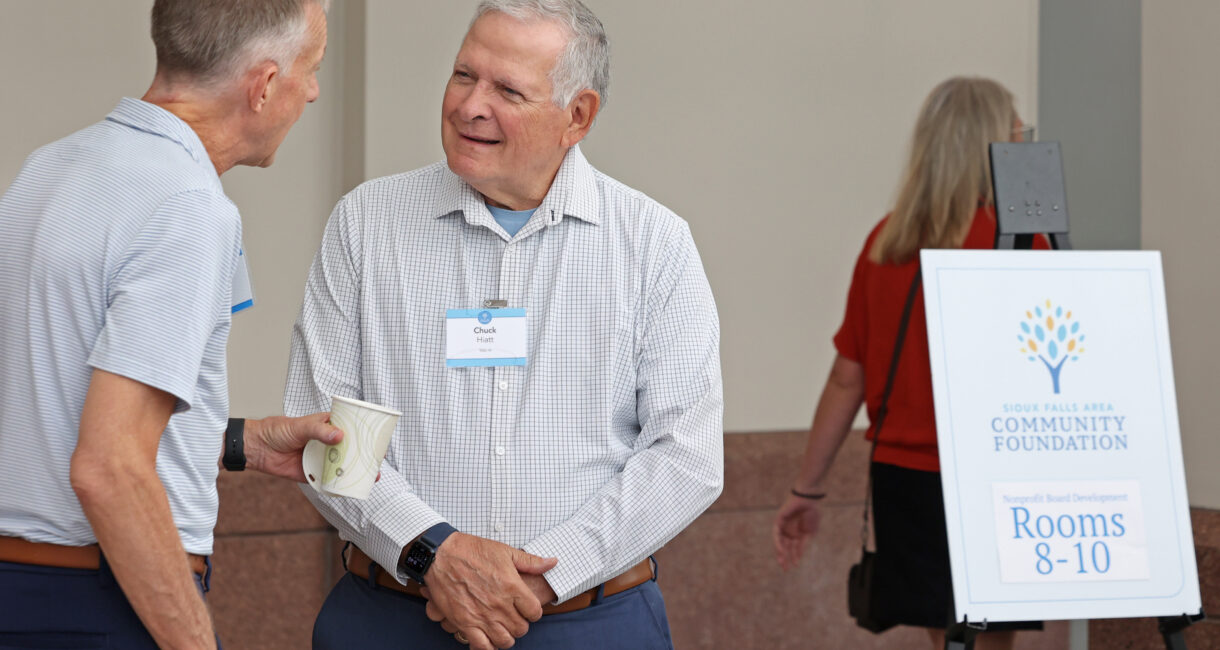
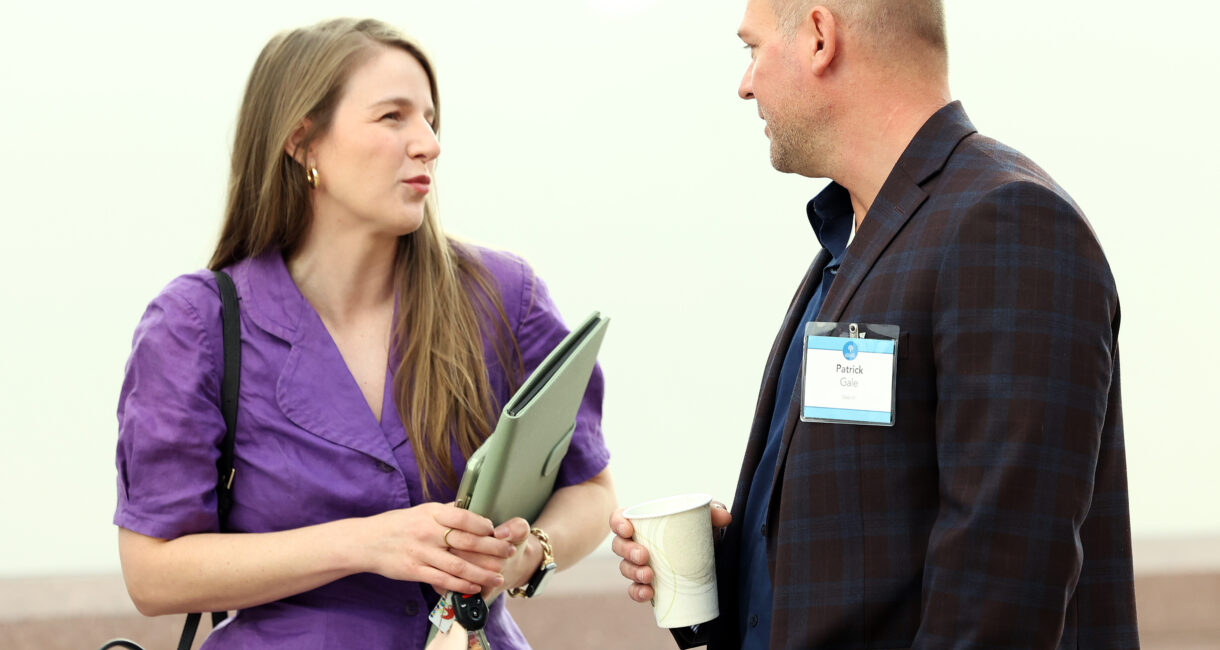
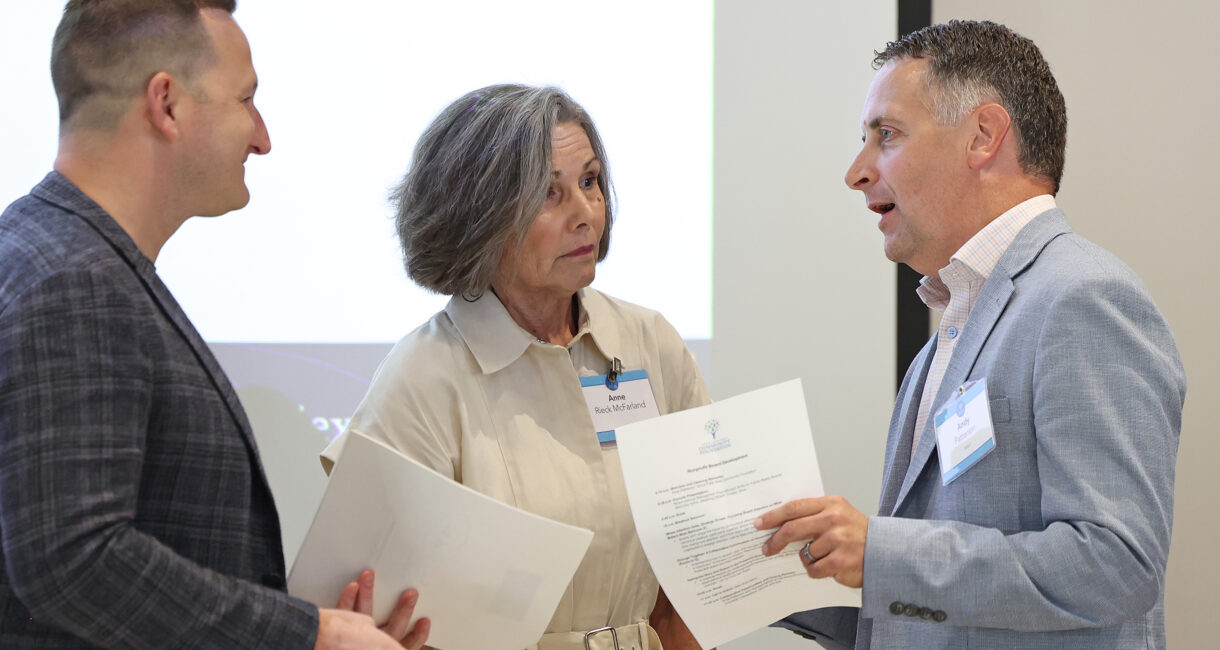
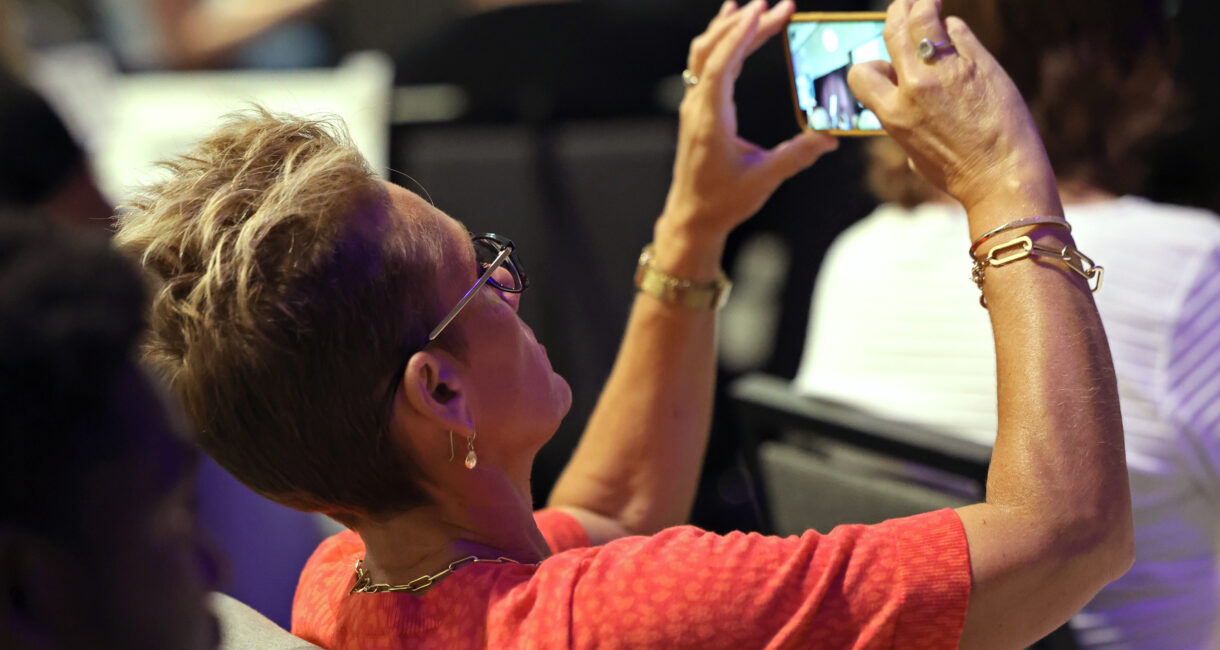
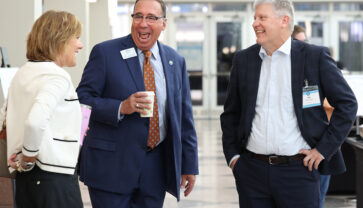
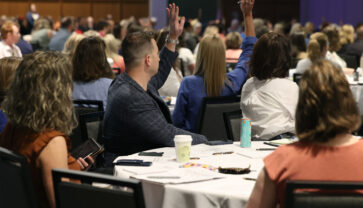
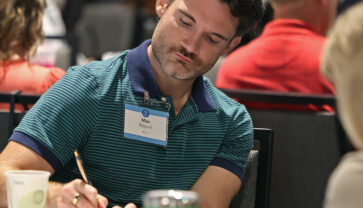
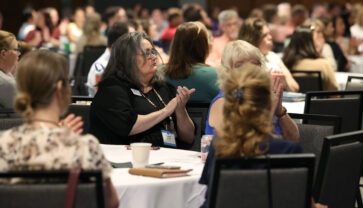
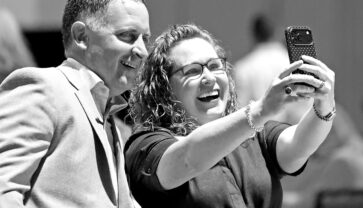
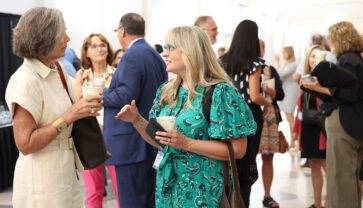
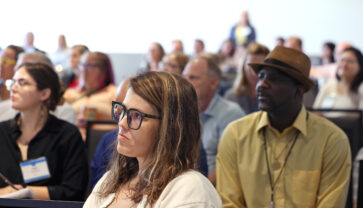
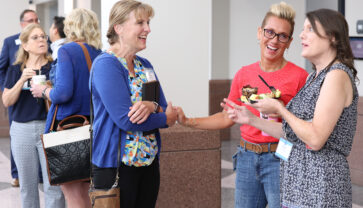
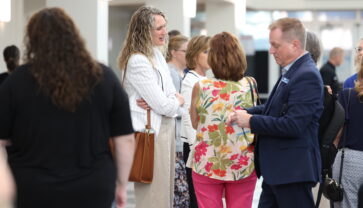
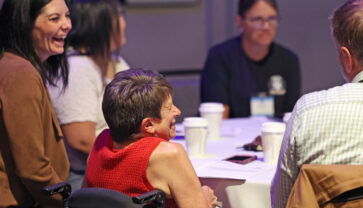
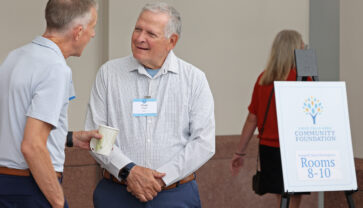
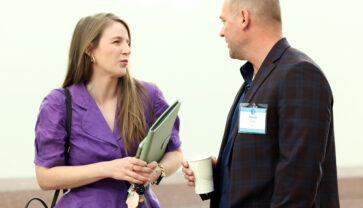
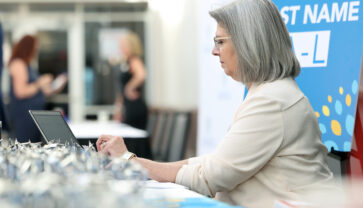
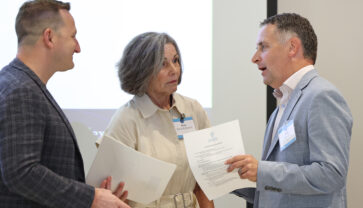
More than 300 people in the nonprofit industry came together on Wednesday to learn how to better serve the community.
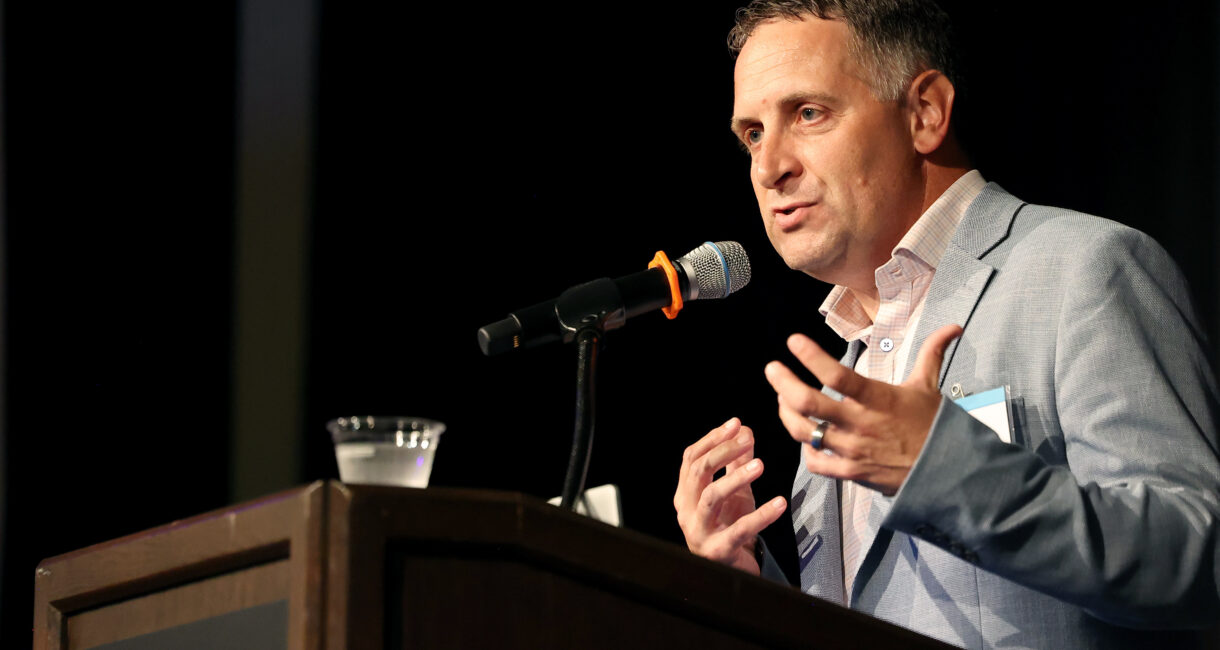
“We care in this community, and we show up,” said Andy Patterson, CEO of the Sioux Falls Area Community Foundation, which hosted the event.
The goal of the Nonprofit Board Development training event was to help executive directors, board members and potential board members better understand how to work together to move an organization forward.
“We need to talk about strong nonprofits, strong boards and strong teams,” Patterson said. “As a community, we need these organizations to keep showing up. People give to so many local nonprofits through the Community Foundation. We are proud to help play a role not only in supporting them but in providing opportunities for nonprofits to connect.”
The event was part of a series of nonprofit development trainings the Community Foundation has offered.
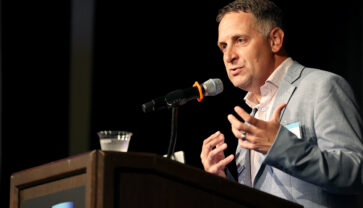
Keynote speaker Mary Kay Delvo with Inspiring Sight out of the Twin Cities said it’s easy for boards to get into the weeds with an organization and lose sight of helping guide the mission. It takes both sides to remain strategic and mission-focused, she said.
But beyond that, once an organization receives tax-exempt status as a nonprofit, it must consider itself accountable to the community.
“It’s about holding the mission and lifting it up in every conversation,” Delvo said. “It’s your role to hold the board and the organization accountable. The decisions you make when you’re on the board can come back to haunt it 10 years later.”
Collaborative conversations
Alex Halbach, founder of Halbach Szwarc Law Firm, presented a session on nonprofit sustainability, along with Anne Rieck-McFarland, a longtime nonprofit executive and current consultant.
He echoed what Delvo said: “We need to be good stewards of tax dollars. What is in the community’s best interest for these programs to continue?”
McFarland encouraged nonprofits to be innovative and work together. “What are you risking by not trying? Maybe 70% better is success,” she said. “We have a responsibility to sustain our nonprofits.”
Their presentation included data showing more than 2,200 nonprofit organizations in the Sioux Falls area. They also noted that more than 12% of new organizations don’t make it past their fifth year, and about a third don’t make it past 10 years, according to the National Center on Charitable Statistics.
“The nonprofit landscape can be difficult,” Patterson said. “We owe it to these organizations to help them learn how to work better together. Stronger, more efficient and aligned nonprofits have a better chance of surviving and meeting the needs of the populations they serve. That’s a win for all of us.”
He also noted that boards play a big part in that conversation. Managing a board or serving on a board is something that takes time and experience. Connecting with other leaders can be helpful, especially for those new to the role.
Other breakout sessions focused on reading nonprofit financials and strategic planning.
Opportunity to learn
For Stacy Stahl, executive director of the Foster Network, the event was a day of learning.
“I’m a new executive director of a young nonprofit, and this is my first time leading and managing a board of directors,” said Stahl, who has more than 20 years of experience in the nonprofit sector. “I wanted to learn more about how to lead and manage the vision and forward direction of our mission with the board.”
She said she learned about setting appropriate expectations and communicating clearly, and how doing so can avoid confusion later.
“I also learned a lot from the networking aspect today, connecting with other executive directors and board members who have a passion for the work they do,” Stahl said. She also hopes to serve on boards. “I know I have something to give, and now I have the confidence to go out and start looking at where I can best serve.”
She attended the sustainability session and noticed similar organizations in the room.
“There are opportunities to serve in a more efficient way. There are other organizations working with the same clients. They have a niche, we have a niche, but maybe we can be a one-stop shop for foster families,” Stahl said. She said it was a good reminder to put egos aside and look for how to work together.
Abby Bischoff, executive director of Stockyards Ag Experience, said the training was useful.
“The Community Foundation always puts on quality programs, so I always know the content is going to be impactful and worth my time,” Bischoff said. “I also appreciate that it was a half day – it’s hard to dedicate a whole day to training sometimes.”
She appreciated that the event included staff and board members. “The interaction was really good,” Bischoff said.
“Nonprofits serve the community, and without board members in the community, we would just operate in a bubble. We should be responsive to our communities and having board members walk different paths is really important,” Bischoff said.
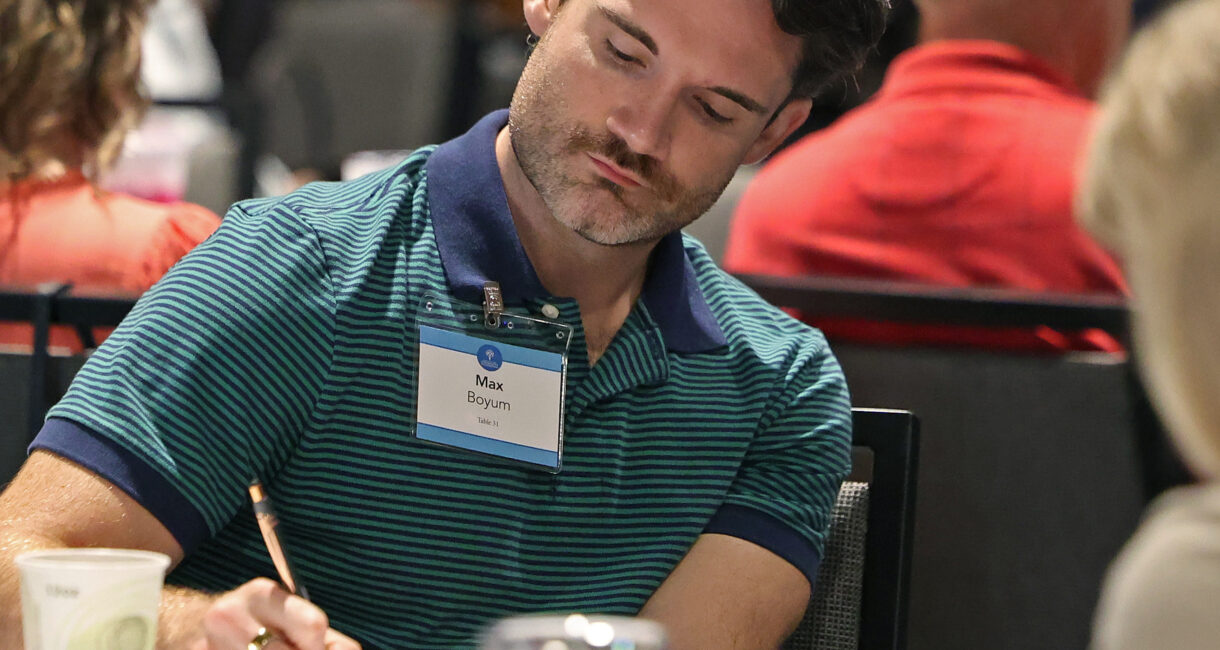
Max Boyum, commercial banker at First Western Bank, has served on the board for the Mary Jo Wegner Arboretum for about six months.
“It’s a cool intersection of something I’m personally invested in – the Arboretum is a spot my wife and I frequently go to and walk our dog and take family photos – plus I felt like it was something I could use my professional skills to help steward and develop as a board member,” Boyum said.
Boyum said his goal is to be a net benefit to whatever cause he’s part of, and the training event helped him see how board service shapes the trajectory of nonprofits.
“I want to help carry out the mission and help those organizations I’m personally aligned with,” Boyum said. “I think my role as a commercial banker, and my background working in nonprofits, can really help me have some perspective as a board member. I’m also grateful that First Western Bank encourages us to stay involved in the community.”
He also sees it as a personal responsibility to the community.
“It takes my experience at the Arboretum from transactional to strategic. I can build a relationship with the place and better understand the business model behind operating an arboretum,” Boyum said. “I see board service as something I can do for the rest of my life, if given the opportunity. I feel especially called to do that here. I’m from Sioux Falls and plan to be here for the rest of my life.”